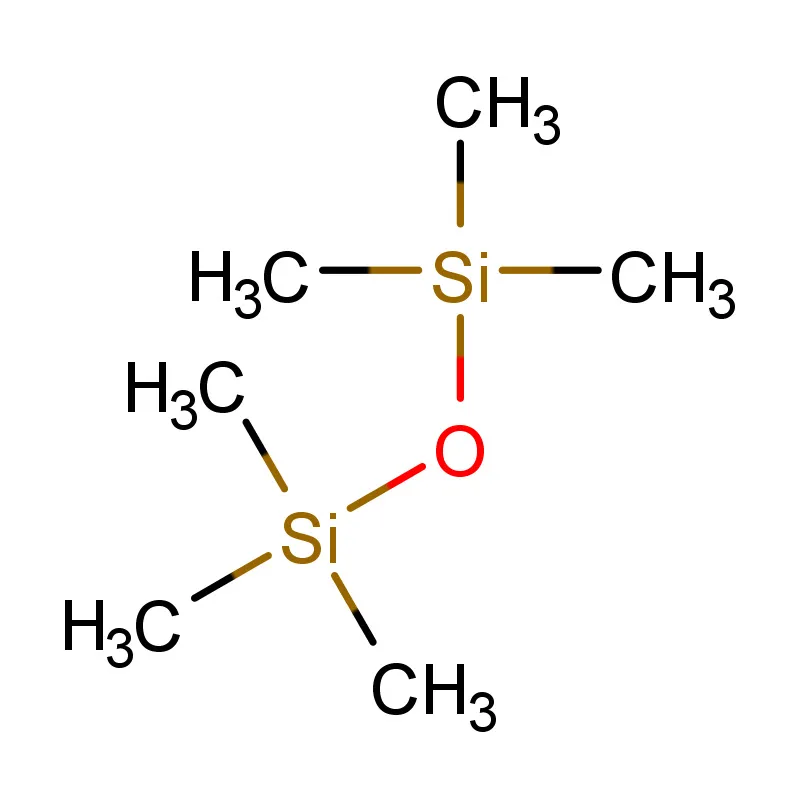
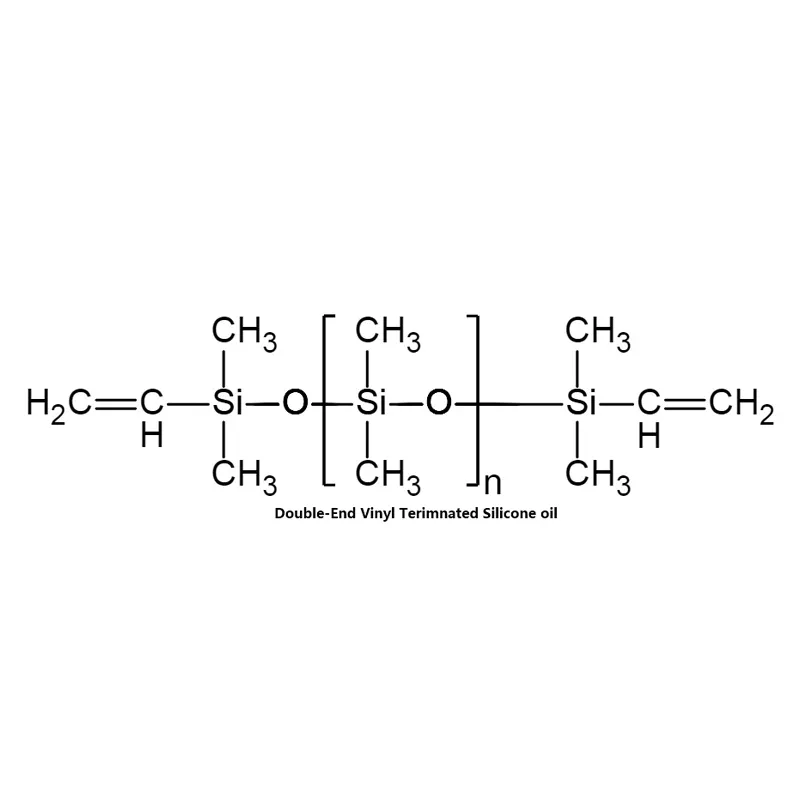
A silicone elastomer blend can transform the sensory profile of a formula, but it can also expose weak compatibility, mixing, and stability decisions. Two gels that appear similar in a supplier brochure may produce different viscosity, cushion, powderiness, oil control, pigment suspension, transparency, and after-feel. The correct choice depends on the elastomer network, carrier, nonvolatile content, swelling behavior, formula architecture, and manufacturing process.
This guide is organized as a formulation workflow rather than a simple ingredient description. It helps R&D teams move from a target sensory brief to a screened material, stable prototype, scalable process, and procurement specification. It also gives purchasing teams a practical way to compare products that share similar INCI names but are not technically interchangeable.
LANCHEMIE offers multiple silicone elastomer formats for skin care, sun care, color cosmetics, hair care, and specialty sensory systems. Representative product values are included to show how specifications affect selection. They are not universal values for every material with the same INCI name. Always verify the current TDS, SDS, COA, regulatory documentation, and sample before commercial approval.
What Is a Silicone Elastomer Blend?
A silicone elastomer blend is a pre-dispersed, crosslinked silicone network swollen in a compatible carrier fluid to create gel structure, sensory modification, thickening, and optical effects.
The elastomer is a three-dimensional polymer network. The carrier occupies and swells that network, creating a soft gel that can shear during application and recover to varying degrees after shear is removed. This behavior can provide a smooth initial glide, a cushioned transition, reduced tack, a soft-focus appearance, and a dry or silky finish. The exact result depends on network chemistry, particle or domain size, carrier volatility, elastomer concentration, and the surrounding formula.
A commercial silicone elastomer blend is usually easier to incorporate than a dry crosspolymer because the supplier has already completed the swelling and dispersion step. That convenience does not eliminate development work. A pre-gel can thin when mixed with compatible oils, tighten when exposed to a poor solvent, trap air under high shear, or destabilize an emulsion if it changes the continuous phase.
The term “silicone elastomer” also covers powders and non-pre-dispersed networks. These formats serve different purposes. A powder may provide oil absorption and soft focus with limited bulk thickening, while a swollen gel can structure the oil phase and change application dynamics. Product selection should start with the desired function, not with the broad ingredient category.

How Silicone Elastomer Blends Create Sensory Performance
Silicone elastomer blends create sensory performance through controlled deformation of a crosslinked network, carrier release, friction reduction, oil absorption, and light scattering.
During rub-out, the gel structure deforms and distributes across the skin. The consumer may perceive a sequence: pickup from the package, initial break, wet glide, cushion, transition, and residual finish. A volatile carrier can create a quicker transition and drier finish as it evaporates. A nonvolatile carrier can leave more persistent slip and emolliency. The elastomer network can reduce greasy perception by immobilizing part of the oil phase and altering surface friction.
Soft-focus performance arises when the material creates controlled light scattering at the skin surface. This can visually reduce the appearance of fine texture, but the effect depends on film thickness, refractive-index contrast, particle dimensions, and the complete formula. A clear elastomer gel is not automatically the best soft-focus material, and an opaque powder is not automatically the most blurring. Instrumental testing and standardized photography are more reliable than a finger test.
Oil control is also system-dependent. Some elastomer powders and networks absorb or hold sebum-like oils, while others mainly change perception. A claim such as “24-hour oil control” must be supported by finished-product testing. Supplier data can guide material selection but cannot substitute for claim substantiation.
The same blend may feel elegant at 3% and heavy at 10%. It may improve a water-in-silicone foundation but reduce stability in an oil-in-water serum. This is why the first technical question should be “What sensory sequence and formula function are required?” rather than “Which elastomer is best?”
Silicone Elastomer Blend Formats: Gel, Powder, and Hybrid
Silicone elastomer formats include pre-dispersed gels, dry elastomer powders, and hybrid systems that combine crosslinked networks with fluids, gums, or other sensory modifiers.
| Format | Primary Strength | Typical Development Use | Main Processing Consideration | Common Risk |
|---|
| Pre-dispersed elastomer gel | Easy swelling, oil-phase structuring, cushion, slip | Primers, foundations, sun care, creams, anhydrous gels | Add under controlled shear and avoid excessive aeration | Viscosity collapse when diluted with a strong swelling oil |
| Dry elastomer powder | Soft focus, oil absorption, powdery finish | Pressed powders, loose powders, primers, matte skin care | Disperse uniformly and control dust | Agglomeration or white cast |
| Elastomer-fluid hybrid | Combined film, slip, and structure | Long-wear color cosmetics, hair oils, rich sensory systems | Confirm compatibility with resin, gum, and carrier | Pilling, stringiness, or uneven film |
| Elastomer-emulsion system | Water-compatible delivery of silicone sensory | Lotions, serums, textile or specialty applications | Review emulsifier balance and preservation | Phase separation or viscosity drift |
Format choice is often more important than the exact product code. A dry powder should not be evaluated as if it were a swollen gel. For example, LANCHEMIE LC-SP506 is a silicone elastomer powder with a representative density of 0.15–0.35 g/cm³, a suggested use range of 1–20%, and a stated shelf life of 24 months under recommended storage. Its low bulk density affects handling, dust control, volumetric dosing, and packaging.
Pre-dispersed gels, by contrast, are commonly specified by viscosity and nonvolatile content. Those values indicate how much elastomer network is delivered and how the material may behave during pumping and mixing. They do not alone predict finished-formula viscosity because the carrier and surrounding oils determine swelling and dilution.
Choosing the Carrier for a Silicone Elastomer Blend
Carrier selection determines the blend’s volatility, spreading rate, compatibility, regulatory considerations, sensory transition, and effect on the final formula.
Common carriers include cyclopentasiloxane, dimethicone, isododecane, hydrocarbons, esters, and mixed systems. A volatile carrier can support fast break and a dry finish, while a nonvolatile dimethicone can provide longer-lasting slip. Isododecane may be preferred in long-wear color cosmetics, but its volatility, flammability, and packaging compatibility must be managed. Ester carriers can improve compatibility with organic phases but may change the elastomer’s swelling behavior.
A representative LANCHEMIE cyclopentasiloxane and dimethicone vinyl dimethicone crosspolymer is designed as a pre-dispersed elastomer gel in a volatile silicone carrier. It can be screened when fast spread, cushion, and a drier finish are priorities. For target markets with restrictions or customer policies concerning specific cyclic silicones, verify the latest legal requirements and the intended product type before formula lock.
A nonvolatile alternative, such as a dimethicone and dimethicone crosspolymer blend, may be better when persistent slip, reduced evaporation, and a richer residual film are desired. It can also simplify formulas that avoid volatile carriers, although the after-feel may be less dry.
Carrier compatibility should be screened through dilution curves. Add the main formula oils to the elastomer gel in controlled increments and record viscosity, clarity, syneresis, and texture. A sharp viscosity drop may show that the carrier or oil is strongly swelling and diluting the network. A grainy or contracted appearance can indicate poor compatibility.
How to Match the Crosspolymer to the Formula
Crosspolymer selection matches network chemistry and swelling behavior to the formula’s oils, emulsifiers, powders, pigments, actives, and desired rheology.
INCI names such as Dimethicone/Vinyl Dimethicone Crosspolymer, Dimethicone Crosspolymer, or Vinyl Dimethicone/Methicone Silsesquioxane Crosspolymer describe different network chemistries and structures. They can vary in elasticity, particle character, oil uptake, compatibility, and film feel. Even two products with the same INCI may differ because of crosslink density, processing, carrier ratio, and molecular-weight distribution.
For a primer, the priority may be a smooth break, pore-blurring appearance, and low pilling under makeup. For a foundation, the network must also tolerate pigments, dispersants, film formers, and emulsifiers. For sun care, compatibility with UV filters and the ability to maintain an even film are essential. For skin care, the blend should support the desired viscosity and after-feel without destabilizing the emulsion.
When powders are present, evaluate the order of addition. Adding pigments directly into a high-viscosity elastomer gel may create agglomerates or require excessive shear. A more reliable approach can be to prepare a pigment dispersion separately, then combine it with the gel under controlled mixing. The optimal sequence depends on equipment and formula architecture.
Crosspolymer selection should also account for the product’s intended shear history. A jar primer, tube cream, airless pump, and cushion compact subject the gel to different stresses. Measure viscosity and sensory performance after realistic filling and dispensing, not only after laboratory mixing.
Representative LANCHEMIE Elastomer Specifications Compared
Representative specifications help distinguish elastomer formats by viscosity, nonvolatile content, carrier, and likely process behavior, but final performance must be confirmed in the finished formula.
| Representative Grade | Format or Key Data | What the Number Suggests | Best Initial Screening Question |
|---|
| LC-SP506 | Powder; density 0.15–0.35 g/cm³; suggested use 1–20% | Low bulk density and broad use range require controlled dispersion and dust management | Do you need soft focus and oil absorption without adding a liquid carrier? |
| LC-EL901 | Gel; viscosity 2,500–5,500 mPa·s at 25°C; nonvolatile content 8–15% | Relatively mobile pre-gel with a moderate elastomer fraction | Do you need easy incorporation and light structure? |
| LC-EL903 | Gel; viscosity 1,000–5,000 mPa·s at 25°C; nonvolatile content 8–12% | Broad flow window that should be evaluated lot-to-lot and in the target oil phase | Does a lower-viscosity gel improve pumping and spread? |
| LC-1601 | Viscosity 4,000–8,000 mPa·s; nonvolatile content 12–16%; flash point 77°C | Higher network delivery with a safety parameter that must be included in plant review | Is the application skin care, hair care, or a concentrated hair-oil system? |
LANCHEMIE lists suggested use levels for LC-1601 of 2–10% in hair-care and skin-care applications and 40–50% in hair-oil applications. Such ranges are starting points, not formula instructions. A 40% level in one anhydrous hair oil can be appropriate while the same level in an emulsion would be impractical. Always interpret suggested ranges in the context of product format.
Nonvolatile content helps estimate how much crosslinked material is introduced. If two gels are used at the same dosage but one contains 10% nonvolatile material and the other 15%, the delivered network differs by 50%. This can explain major changes in structure and sensory performance. The carrier contribution must also be included in the formula balance.
Viscosity ranges can be broad because elastomer gels are non-Newtonian and sensitive to test method. Confirm spindle, speed, temperature, sample conditioning, and rest time. Procurement specifications should use the supplier method or an agreed equivalent.
Silicone Elastomer Blend Selection by Sensory Target
Sensory-target selection connects measurable formula attributes to a defined consumer experience such as dry touch, cushion, blur, slip, richness, or long-wear film.
| Desired Experience | Likely Material Direction | Supporting Formula Choices | Validation Method |
|---|
| Fast break and dry finish | Volatile-carrier elastomer gel | Light esters, controlled powder level, low-tack film former | Timed sensory panel and gravimetric loss |
| Rich cushion with lasting slip | Nonvolatile dimethicone-carrier gel | Medium-viscosity oils and emollient esters | Tribology or trained panel after five and fifteen minutes |
| Strong soft focus | Elastomer powder or powder-gel combination | Optimized refractive-index contrast and film thickness | Standardized imaging and optical measurement |
| Oil control | Absorptive powder or porous elastomer system | Sebum-compatible powders and balanced humectancy | Finished-product sebum or clinical evaluation |
| Long-wear color film | Compatible elastomer plus volatile carrier and film former | Pigment dispersion and resin balance | Transfer, rub, water, and wear testing |
| Low-pilling skin care | Moderate network level with compatible polymer system | Reduced conflicting gums and controlled application amount | Layering test under sunscreen and makeup |
A useful sensory brief describes stages rather than adjectives alone. “Silky” can mean low initial friction, rapid break, low tack, or a powdery residual film. Ask evaluators to score pickup, spread, cushion, absorption transition, tack, drag, residue, shine, and pilling at defined times. This creates a data set that can guide reformulation.
Instrumental measurements can support the panel. Rheology shows yield stress and shear thinning; tribology measures friction under controlled conditions; texture analysis can quantify firmness and stringiness; gloss meters and imaging quantify optical effects. No single instrument fully predicts consumer perception, so combine methods.
A Six-Step Formulation Workflow
The six-step formulation workflow moves from target definition through compatibility screening, prototype optimization, stability, scale-up, and final specification.
Define the target product profile. Record format, viscosity, appearance, sensory sequence, claims, packaging, market, processing limits, and target cost.
Screen carriers and networks separately. Compare two or three elastomer blends with the same base formula, then compare carrier effects without changing every variable at once.
Build a dilution curve. Add each major oil to the gel in increments, recording viscosity and texture. This reveals strong swelling oils, weak solvents, and syneresis risk.
Optimize addition order and shear. Test whether the gel should be pre-blended with oil, added to the main oil phase, or introduced near the end. Record mixer type, speed, time, temperature, and batch size.
Run stability and packaging tests. Include centrifugation, thermal storage, low temperature, cycling, microscopy, viscosity, color, odor, and dispensing performance according to company protocol.
Confirm pilot scale and lock documents. Reproduce sensory and rheology in realistic equipment, then agree on raw-material specification, sample approval, COA attributes, and change notification.
At the first screening stage, use a simple control formula. A complex active system can mask the elastomer’s contribution. Once the preferred grade and use level are identified, reintroduce the complete active and preservative package. This staged method saves time because it separates base compatibility from active-related instability.
Maintain a mass balance. A pre-dispersed elastomer blend contributes both carrier and nonvolatile network. When 10% of a gel containing 12% nonvolatile material is used, the formula receives about 1.2% network and 8.8% carrier. Ignoring this can lead to inaccurate oil-phase calculations and unexpected changes when switching suppliers.
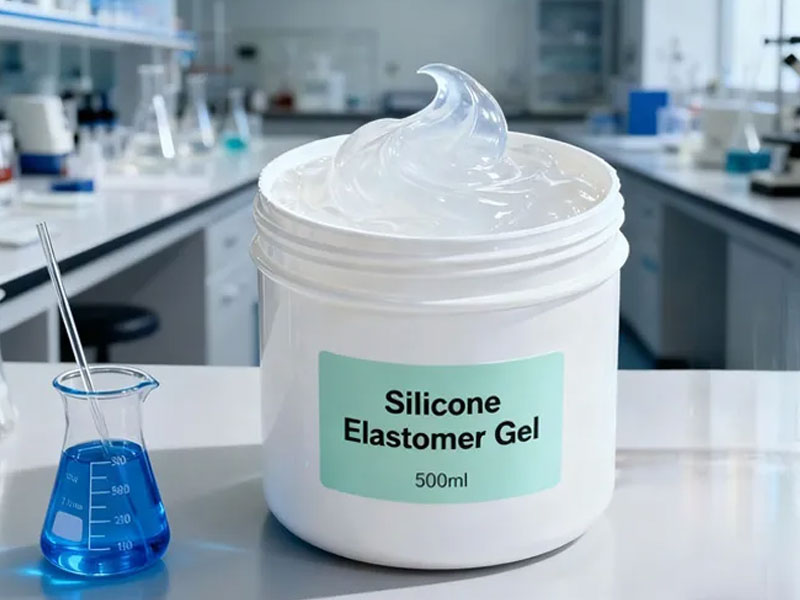
Troubleshooting Pilling, Syneresis, Air, and Viscosity Loss
Elastomer troubleshooting identifies whether a failure originates from incompatibility, excessive network, poor addition order, shear history, trapped air, temperature, or interaction with other polymers.
| Observed Problem | Likely Causes | Corrective Experiments |
|---|
| Pilling during rub-out | Excess polymer solids, incompatible gums, high application amount, rapid carrier loss | Reduce total network, simplify polymer system, change carrier, test layered application |
| Syneresis or oil bleed | Insufficient network, poor solvent, temperature-dependent contraction, unstable wax structure | Adjust network level, replace part of oil phase, control cooling, screen another elastomer |
| Viscosity collapse | Strong dilution by carrier-compatible oils, excessive shear, emulsifier interaction | Build dilution curves, lower shear, add gel later, increase network delivery cautiously |
| Grainy texture | Incomplete dispersion, powder agglomeration, wax crystallization, poor solvent compatibility | Pre-disperse solids, change heating/cooling, verify raw-material temperature, use microscopy |
| Air bubbles | High-speed mixing, viscous gel addition, poor vessel geometry, inadequate deaeration | Lower vortex, use sweep mixing, add below surface, apply validated vacuum |
| Pigment flocculation | Incompatible dispersant, insufficient wetting, gel added before dispersion is complete | Prepare pigment dispersion separately, optimize dispersant, adjust sequence and shear |
Pilling deserves special attention because it may appear only when consumers layer products. Test the formula alone, over a moisturizer, under sunscreen, and beneath makeup. Standardize the amount and rubbing pattern. A product that performs well alone can pill when combined with high levels of carbomer, cellulose gum, acrylate film former, or powder from another layer.
Syneresis should be evaluated both visually and gravimetrically. A small oil ring may be an early sign of network contraction. Centrifugation can accelerate detection but does not replace long-term storage. Examine whether the separated phase is carrier, added oil, or a mixed phase. That diagnosis guides the correction.
For viscosity loss, avoid simply adding more elastomer before identifying the cause. More network can increase pilling, cost, and processing difficulty without solving incompatibility. A carrier change or addition-order adjustment may be more effective.
Stability Testing and Scale-Up Controls
Stability and scale-up controls verify that the elastomer system maintains appearance, rheology, sensory performance, microbiological integrity, and packaging function throughout manufacturing and shelf life.
Design the stability program around product risk. Typical observations include phase separation, syneresis, viscosity, yield stress, color, odor, pH for emulsions, weight loss, particle distribution, centrifugation response, freeze-thaw behavior, and package dispensing. Select storage temperatures according to company standards and intended distribution markets.
Elastomer systems can be highly shear-sensitive. A rotor-stator mixer in the laboratory may not represent a sweep-and-homogenizer production vessel. Record tip speed, power per volume, batch temperature, addition time, and vacuum conditions. Pilot scale should reproduce the intended process rather than merely increase batch mass.
Cooling rate is especially important in formulas containing waxes or crystalline UV filters. The elastomer can modify heat transfer and apparent viscosity, which changes crystallization. Monitor batch temperature at more than one location in the vessel and define the temperature at which the gel is added.
Filling can also alter structure. A narrow transfer line, positive-displacement pump, or high back pressure may shear the product. Compare viscosity and sensory before and after transfer. Verify that the package can deliver the intended dose at low and high storage temperatures.
Regulatory and Market Checks for Carrier Fluids
Regulatory checks confirm that the elastomer, carrier, impurities, use level, product type, claims, and documentation comply with the rules and customer policies of each target market.
Regulations evolve and may distinguish between rinse-off and leave-on products, concentration thresholds, impurity levels, and environmental release. Cyclic siloxanes such as D4 and D5 have received regulatory attention in several jurisdictions. Do not apply a general statement across all countries or product formats. Review the latest official text for the intended market and consult qualified regulatory professionals.
Customer restricted-substance lists can be stricter than law. A retailer may prohibit a carrier even where it is legally permitted. Obtain the customer list before finalizing a formula. If a volatile silicone is restricted, screen nonvolatile dimethicone, hydrocarbon, or ester-carrier elastomer alternatives while recognizing that sensory performance will change.
Documentation should match the exact commercial grade and manufacturing site. Ask for INCI, composition disclosure within the limits of confidentiality, SDS, TDS, COA, country of origin, shelf life, storage, and relevant declarations. For globally launched products, prepare a market matrix rather than assuming one document set is sufficient.
Claims must be substantiated on the finished product. Terms such as “pore blurring,” “oil control,” “long wear,” “water resistant,” “non-comedogenic,” or “24-hour matte” require appropriate evidence. Ingredient function supports a claim strategy but does not prove it.
How to Evaluate a Silicone Elastomer Supplier
Supplier evaluation measures technical fit, lot consistency, documentation, traceability, production capability, change control, lead time, service, and total cost-in-use.
Begin with sample quality. The sample should have a batch number, current documentation, and a clear relationship to commercial production. Compare at least two lots when the formula is sensitive to viscosity or optical appearance. Ask how the supplier controls nonvolatile content, carrier ratio, viscosity, appearance, and impurities.
Assess technical communication. A capable supplier should ask about formula type, target sensory profile, market, processing, and existing oil phase before recommending a grade. Generic statements such as “works in all cosmetics” are not sufficient. Useful support includes compatibility guidance, typical addition order, documentation, and alternative grades when the first option fails.
Review logistics before formula lock. Minimum order quantity, package size, lead time, shelf life, transport classification, and storage conditions can affect commercialization. A low-cost grade with an unsuitable MOQ or unreliable lead time may create higher total inventory cost.
Change management should be explicit. Ask whether the supplier will notify customers of changes in raw-material source, manufacturing site, process, test method, or specification. For critical products, define an approval process before changed material is shipped.
Frequently Asked Questions About Silicone Elastomer Blends
These questions answer common formulation and purchasing concerns about silicone elastomer blend use, replacement, processing, stability, and documentation.
1. What is the difference between a silicone elastomer gel and powder?
A gel is a crosslinked network already swollen in a carrier fluid and is commonly used for structure, cushion, and slip. A powder is dry, easier to use for soft focus and oil absorption, and requires controlled dispersion.
2. Why did my formula lose viscosity after adding the elastomer blend?
The surrounding oils may strongly dilute or swell the network, the gel may have received excessive shear, or the emulsifier system may disrupt its structure. Build a dilution curve and test addition order before increasing dosage.
3. Can I replace a cyclopentasiloxane-based elastomer with a dimethicone-based one at the same level?
Not reliably. The carrier changes evaporation, spreading, residual feel, viscosity, and compatibility. Treat the replacement as a reformulation and repeat stability, sensory, and packaging tests.
4. How can I reduce pilling in a primer or serum?
Reduce total polymer solids, check interactions with gums and film formers, lower application amount, adjust carrier volatility, and test the formula in realistic layering sequences.
5. What data should appear on an elastomer COA?
Relevant attributes may include appearance, viscosity, nonvolatile content, carrier identity, and other agreed quality parameters. The exact COA should match the grade and the supplier’s validated test methods.
6. What information should I send LANCHEMIE for a sample recommendation?
Provide the product format, target sensory profile, key oils, emulsifier, powders or pigments, target viscosity, processing conditions, market, expected dosage, current problem, and estimated demand.
Conclusion
Successful silicone elastomer blend selection aligns carrier, crosspolymer, delivered network, sensory target, process, stability, regulation, and supplier capability.
The broad label “silicone elastomer blend” covers materials with different carriers, nonvolatile contents, viscosities, network structures, and application profiles. A volatile-carrier gel can create fast break and dryness, a nonvolatile blend can deliver lasting slip, and a powder can provide soft focus and oil absorption. These formats are complementary rather than interchangeable.
The most efficient development process uses a defined target product profile, controlled dilution and compatibility screens, measured sensory and rheological evaluation, realistic layering tests, accelerated stability, and pilot-scale confirmation. Troubleshooting should identify the cause of pilling, syneresis, viscosity loss, aeration, or pigment instability before simply adding more elastomer.
LANCHEMIE can help narrow the initial candidate set and provide current documentation and samples. Share your formula architecture and performance target to request a focused elastomer comparison, technical data, sample plan, and quotation.
External References
The following official and scientific resources provide background on dimethicone crosspolymers, cyclopentasiloxane, and European regulatory requirements.

 English
  日本語
日本語  한국어
한국어  français
  Español
  русский
  português
  العربية
  Polska
  Svenska