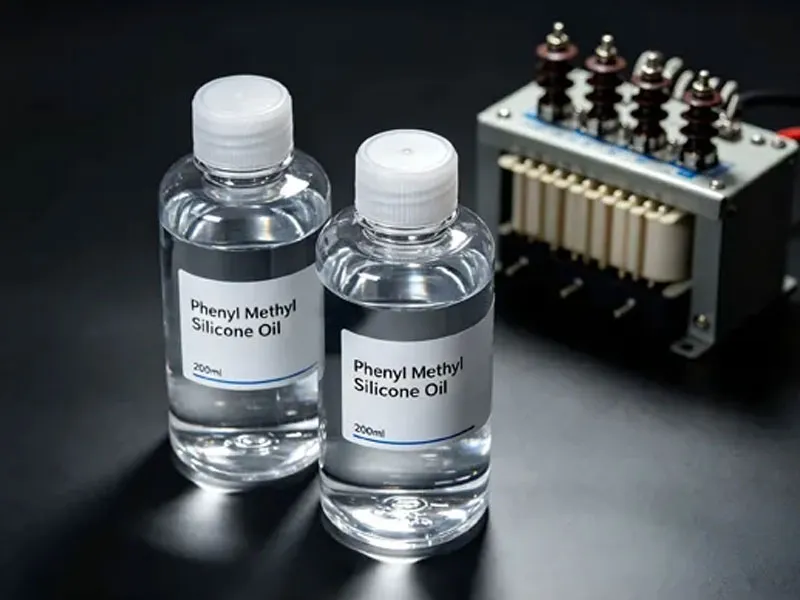
Silicone waxes are selected when a formula needs the slip and surface properties associated with silicones together with the body, melting behavior, and structural contribution associated with waxes. They can help a formulator adjust payoff, cushion, film feel, water resistance, gloss, combability, stick hardness, and thermal response. They can also create unexpected crystallization, sweating, haze, drag, or scale-up problems when they are treated as ordinary liquid silicones.
This article is designed for both formulation and procurement teams. It explains how to classify silicone waxes, compare them with hydrocarbon and fatty waxes, build a processing method, validate performance, specify incoming quality, and calculate cost-in-use. It also gives buyers a practical checklist for discussing samples, documentation, lead time, and change control with a supplier.
LANCHEMIE supplies silicone wax materials and complementary silicone ingredients for personal care and industrial formulation. The representative numerical values cited here are product-specific screening data, not universal properties for all materials sharing an INCI name. Confirm the current TDS, SDS, certificate of analysis, regulatory documents, sample lot, and intended market before commercial use.
What Are Silicone Waxes?
Silicone waxes are solid or semi-solid silicone-modified materials that combine a siloxane segment with long alkyl, polyether, or other organic functionality to deliver wax-like melting and structure with silicone surface performance.
Unlike a conventional low-viscosity dimethicone, a silicone wax is generally solid or pasty near room temperature and softens or melts over a defined temperature range. The organic modification provides crystallizable or wax-like character, while the siloxane portion can improve slip, spread, hydrophobicity, conditioning, and compatibility with selected silicone phases.
The category includes alkyl-modified silicones, silicone copolymer waxes, polyether-modified waxes, and other organofunctional structures. Commercial products can differ greatly in melting point, hardness, molecular weight, alkyl-chain distribution, silicone content, polarity, and compatibility. The phrase silicone waxes therefore describes a family of materials rather than one standardized ingredient.
A wax that performs well in a hair-styling stick may not be suitable for a transparent lip oil. A grade designed for water repellency may not provide the desired skin feel. Selection should begin with the job to be done: structure, payoff, gloss, conditioning, film modification, water resistance, powder binding, or process control.
How Silicone Waxes Differ from Conventional Waxes
Silicone waxes differ from conventional waxes because their siloxane segment changes surface energy, slip, compatibility, film feel, and water repellency while the organic segment provides solid-state structure.
Hydrocarbon waxes such as paraffin and polyethylene wax can provide hardness, barrier, and structure. Natural waxes such as beeswax or carnauba contribute distinctive crystallization, payoff, and marketing positioning. Fatty alcohols and fatty acids can thicken emulsions and influence lamellar structure. Silicone waxes add another design tool: they can provide wax-like body while reducing drag or introducing a more elegant silicone feel.
The difference is not automatically “better.” A silicone wax may improve glide but reduce the natural-wax story of a product. It may increase water repellency but be less compatible with a highly polar oil phase. It may soften a stick or make it brittle depending on how it fits into the crystal network. A successful formula often uses a blend of wax types rather than one wax alone.
Compatibility should be evaluated across the complete oil phase. Test the silicone wax with esters, hydrocarbons, vegetable oils, UV filters, pigments, resins, and liquid silicones. LANCHEMIE also supplies silicone fluids that can be used to adjust spread, viscosity, and sensory transition around a wax network. The ratio between solid wax and liquid phase is usually more important than the wax name by itself.
Major Types of Silicone Waxes
Major silicone wax types are classified by the organic group attached to the silicone backbone, such as long-chain alkyl, polyether, fatty alcohol, ester, or other functional modification.
| Silicone Wax Type | Typical Functional Direction | Potential Applications | Primary Screening Concern |
|---|
| Long-chain alkyl dimethicone | Structure, slip, hydrophobic film, reduced drag | Sticks, balms, hair styling, skin care, color cosmetics | Melting point and compatibility with organic oils |
| Alkyl dimethicone/olefin copolymer | Hardness, film reinforcement, payoff control | Lip products, sunscreen sticks, hair waxes, protective formulations | Crystallization and brittleness |
| Polyether-modified silicone wax | More polar compatibility, emulsification support, surface modification | Emulsions, specialty coatings, textile and personal-care systems | Water sensitivity and HLB-like behavior |
| Fatty-alcohol or ester-modified silicone | Conditioning, body, emollient compatibility | Hair care, creams, balms, decorative cosmetics | Oxidative stability and odor |
| Silicone resin/wax combination | Film durability, adhesion, water resistance, controlled payoff | Long-wear color cosmetics, protective coatings, styling products | Flexibility, removal, and potential brittleness |
Long-chain alkyl modification is common because it creates a clear wax-like transition while retaining silicone character. The exact alkyl-chain distribution can influence melting range, hardness, and compatibility. A C30–45 alkyl material is not expected to behave like a shorter-chain cetyl-modified silicone.
Resin/wax systems can be useful when structure and film durability are required together. A separate silicone resin may also be blended with a silicone wax and fluid to tune adhesion, flexibility, gloss, and transfer resistance. Such systems require careful balance: too much resin can produce brittle or uncomfortable films, while too little may not deliver durability.
Silicone Waxes Compared by Melting Behavior and Use
A meaningful silicone wax comparison reviews melting range, density, recommended use level, structure contribution, sensory effect, compatibility, and process temperature.
| Material | Representative Data | Likely Role | Development Notes |
|---|
| LANCHEMIE LC-753-70, C30-45 Alkyl Dimethicone/Olefin | Density 0.920–0.970 at 25°C; melting point 65–80°C; suggested use 0.5–5% | Structure, slip, film reinforcement, water-repellent sensory | Heat sufficiently for complete melting and control cooling to prevent graininess |
| LANCHEMIE LC-7235 silicone wax | Melting point 65–75°C; suggested use 1–8% in hair styling and 0.5–3% in care applications | Hair styling structure, conditioning, payoff and texture control | Evaluate hold, combability, residue, remelt behavior, and package compatibility |
| Conventional dimethicone fluid | Liquid over normal use temperatures; grade-dependent viscosity | Slip, spread, gloss, conditioning | Does not replace the structural contribution of a wax |
| Hydrocarbon or natural wax | Grade-dependent melting point and hardness | Bulk structure, barrier, stick strength | Can increase drag; may complement silicone wax in a blended network |
LC-753-70 illustrates why a product-specific data sheet matters. Its 65–80°C melting range affects vessel heating, addition order, transfer lines, filling temperature, and cooling. Its suggested use range of 0.5–5% indicates that it is generally a functional modifier, although the optimized level depends on the formula. Adding 5% to a fluid serum would have a very different consequence from adding 5% to a high-wax stick.
LC-7235 is positioned with different starting ranges for styling and care applications. Hair-styling systems may require 1–8% to build texture or hold, while care products may begin around 0.5–3% for conditioning and sensory modification. These are screening ranges, not guarantees of performance.
When comparing alternatives, use the delivered function rather than melting point alone. Two waxes with the same melting range can differ in hardness, crystallization rate, compatibility, slip, and film. Measure the finished product after full aging because wax networks can continue to reorganize for days.
Silicone Waxes in Hair Styling and Hair Care
In hair products, silicone waxes can provide structure, conditioning, gloss, strand control, water resistance, reduced tack, and a tunable balance between hold and flexibility.
Hair waxes, pomades, sticks, edge-control products, leave-in conditioners, and treatment balms each require a different wax network. A styling wax needs pickup, distribution, hold, restylability, and washability. A care balm may prioritize smoothness and reduced combing force. A flyaway stick needs controlled payoff without visible residue.
Begin with standardized tress testing. Apply a fixed mass per gram of hair and record spread, combability, gloss, stiffness, flaking, tack, and residue. For styling claims, measure curl retention or shape retention under controlled humidity. For care claims, compare wet and dry combing with an untreated control. Ingredient properties alone cannot substantiate “48-hour hold” or “anti-frizz” claims.
The wax network should match the package. A jar product can tolerate a softer texture than a twist-up stick. A pumpable balm needs a narrower viscosity and yield-stress window. Filling temperature must be high enough for flow but low enough to protect packaging and reduce shrinkage or sinkholes.
Silicone wax can reduce the drag of high levels of natural wax, but excessive use may make the product feel coated or difficult to shampoo. Balance it with appropriate liquid emollients and test removal using the intended cleansing routine.
Silicone Waxes in Skin Care and Sun Care
In skin care and sun care, silicone waxes can build body, improve glide, modify barrier feel, support water resistance, and control the payoff of sticks, balms, and creams.
In anhydrous balms, silicone wax can help create a smoother application and reduce the greasy perception of some oil blends. In emulsion systems, it can contribute to the oil-phase structure, but it may interact with fatty alcohols, emulsifiers, and polymers. Viscosity should be measured after full cooling and aging rather than immediately after manufacture.
Sunscreen sticks require particularly careful evaluation. The wax network must suspend and uniformly distribute UV filters while maintaining acceptable payoff across the intended temperature range. A wax that is too hard may reduce deposit and create uneven coverage. A wax that is too soft may lead to deformation, sweating, or filter migration. Any SPF and water-resistance claim must be tested on the finished product.
Skin feel should be evaluated at realistic dose. A sunscreen is often applied at a higher film weight than a conventional moisturizer. A formula that feels elegant at a small sensory-panel dose may feel heavy at the application amount needed for testing. Train panelists to use a standardized mass and area.
Packaging compatibility is essential. Test stick retraction, cap contamination, sweating, breakage, and force-to-apply after high- and low-temperature storage. For jars and tubes, evaluate oil bleed and product separation near the package wall.
Silicone Waxes in Color Cosmetics
In color cosmetics, silicone waxes control stick hardness, payoff, pigment binding, gloss, film flexibility, transfer, water resistance, and sensory character.
Lipsticks and lip balms depend on a coordinated crystal network. A silicone wax can improve glide or gloss while a harder wax provides shape retention. The ratio must be optimized because high slip can weaken payoff control or increase migration. Measure stick hardness, break strength, pay-off mass, friction, sweating, and stability at elevated temperature.
In foundations, concealers, and contour sticks, pigment dispersion must be completed before the wax network sets. Poor wetting or incomplete mixing can create streaks, specks, and shade variation. Use microscopy or grind-gauge assessment where appropriate. Confirm color after cooling because refractive index and crystal structure can change perceived shade.
For long-wear products, silicone wax may be combined with volatile carriers and film-forming resins. The wax controls application and flexibility while the carrier evaporates and the resin forms a durable film. Balance is critical: too much wax can reduce transfer resistance, while too much resin can feel tight or brittle.
Pressed and poured products may respond differently to the same wax. Pressed powders require binder distribution and compaction behavior, while poured sticks require melt flow and controlled cooling. Supplier recommendations should be translated into a process designed for the actual manufacturing route.
Industrial and Specialty Uses of Silicone Waxes
In industrial and specialty systems, silicone waxes can modify lubrication, release, water repellency, surface slip, polishing, blocking resistance, and coating feel.
Applications may include textile finishing, leather treatment, polishes, release systems, inks, coatings, and maintenance products. The required property can differ from cosmetic use. A textile application may prioritize hand feel and wash durability, while a polish may prioritize gloss and water beading. A release application may need low transfer to the molded part.
Evaluate the wax on the actual substrate. Contact angle, coefficient of friction, gloss, abrasion, wash durability, blocking, and adhesion can be measured depending on the application. A strong release effect can reduce coating adhesion, so surface modification must be balanced with downstream processing.
Emulsion delivery may be preferred for waterborne systems. In that case, the silicone wax emulsion’s particle size, active content, pH, ionic character, and freeze-thaw stability become important. A wax supplied as a solid may require a separate emulsification process that is not economical for every customer.
Industrial buyers should also review flash point, transport classification, thermal stability, and worker exposure controls. Cosmetic sensory data is not a substitute for process-safety information.
How to Process Silicone Waxes
Silicone wax processing uses controlled heating, complete melting, compatible phase blending, managed shear, and defined cooling to create a uniform and reproducible crystal network.
Confirm the melting range. Use the current TDS for the exact grade and identify the highest-melting component in the wax phase.
Pre-weigh and inspect materials. Check wax form, color, odor, and lot information before charging the vessel.
Heat the oil phase uniformly. Use enough temperature to fully melt the wax, typically with a modest margin above the upper melting range, while respecting the limits of all ingredients.
Mix until homogeneous. Avoid local overheating and verify that no solid particles remain. Scrape vessel walls where necessary.
Add temperature-sensitive ingredients later. Fragrance, selected actives, and volatile carriers may need lower-temperature addition based on safety and stability.
Control cooling. Define cooling rate, agitation, and filling temperature. These variables strongly affect crystal size, hardness, gloss, and sweating.
Allow full maturation. Evaluate hardness and payoff after a defined aging period because wax networks can continue to organize after filling.
For LC-753-70, with a reported melting point of 65–80°C, a process must reach complete melting without exposing other ingredients to unnecessary heat. The exact kettle set point should be determined from batch size, heat transfer, ingredient limits, and plant safety. A laboratory hot plate may heat much faster than a production vessel, so time-temperature history should be recorded.
High shear is not always required once the wax is melted. Excessive shear can introduce air, accelerate oxidation, or alter a dispersed pigment system. Use the minimum energy needed for homogeneity and dispersion. Vacuum deaeration can help, but volatile ingredients and equipment limits must be considered.
Cooling, Crystallization, and Common Defects
Cooling and crystallization determine the size, arrangement, and stability of the wax network, which controls hardness, graininess, gloss, sweating, shrinkage, and payoff.
| Defect | Possible Cause | Useful Corrective Test |
|---|
| Grainy texture | Slow or uneven crystallization, incompatible waxes, incomplete melting | Compare cooling rates, increase hold time at full melt, simplify wax blend |
| Oil sweating | Weak crystal network, excessive liquid phase, temperature cycling | Adjust wax ratio, add structural wax, test controlled cooling |
| Stick breakage | Brittle network, poor mold adhesion, high hard-wax fraction | Increase flexible wax or oil, alter fill temperature, measure break strength |
| Sinkholes or shrinkage | Uneven cooling, high contraction, filling too hot | Stage filling, optimize mold temperature, lower fill temperature carefully |
| Low payoff | Wax network too hard, poor surface lubrication | Reduce hard wax, add compatible fluid, quantify payoff mass |
| Haze in a clear balm | Refractive mismatch or crystallization | Screen oil compatibility and cooling; measure haze after aging |
Do not judge a wax system immediately after cooling. Some formulas become harder over 24–72 hours, while others show delayed oil bleed after thermal cycling. Establish a defined maturation time before quality testing and product release.
Multiple waxes can form mixed crystals or separate crystal populations. Differential scanning calorimetry can help characterize transitions, while polarized-light microscopy can reveal crystal growth. These tools are especially useful when a visually acceptable formula becomes unstable at scale.
Raw-material variation can also affect crystallization. A broad alkyl-chain distribution or small change in melting range may shift the final texture. Incoming quality limits should therefore focus on attributes that correlate with product performance.
A Pilot Validation Protocol for Silicone Waxes
A pilot validation protocol confirms that the chosen silicone wax performs consistently across formula, process, package, storage, application, and production scale.
Prepare a control and at least two wax levels. Keep the rest of the formula constant to identify the dose response.
Record complete processing data. Include vessel, batch size, heating rate, maximum temperature, hold time, mixing, cooling, and fill temperature.
Measure immediate quality. Check appearance, odor, fill weight, hardness, viscosity where relevant, and visible air.
Measure matured quality. Repeat hardness, payoff, gloss, syneresis, and sensory evaluation after 24 hours, 72 hours, and the company’s release period.
Run package and transport simulations. Include temperature exposure, vibration, drop testing where applicable, and repeated consumer use.
Conduct accelerated and real-time stability. Track the attributes most connected to wax crystallization and oil migration.
Compare pilot and laboratory batches. Investigate any difference in cooling profile, shear, air, and fill conditions before commercial production.
A practical scorecard can combine hardness, payoff, glide, residue, gloss, stability, and package function. Weight each attribute according to the product brief. A sunscreen stick may place more weight on uniform deposit and high-temperature integrity, while a hair wax may prioritize restylability and wash-off.
Keep retained samples from raw material, laboratory batch, pilot batch, and first commercial batch. This creates evidence for investigating future complaints or lot variation.
Silicone Waxes Buying Guide: Critical Specifications
A silicone wax buying specification defines identity, melting range, appearance, relevant physical properties, test methods, impurity expectations, documentation, packaging, storage, and change control.
Start with identity: commercial product name, INCI or chemical description, supplier code, and approved manufacturing site. Then identify performance-critical properties. For LC-753-70, melting range and appearance may be directly connected to processing and product texture. Density may matter for mass-volume calculations and incoming verification. Other applications may require penetration, hardness, acid value, active content, or viscosity in a defined solution.
Test methods must be explicit. “Melting point” can refer to drop point, capillary method, DSC transition, or another procedure. Two methods can produce different numbers. Use the supplier’s validated method or agree on an equivalent before setting acceptance limits.
Request current TDS, SDS, COA format, shelf life, storage conditions, country of origin, packaging, and regulatory documents for the intended market. Depending on use, request statements concerning allergens, animal testing, residual solvents, heavy metals, microbiological control, restricted substances, and traceability.
Packaging affects usability and waste. Flakes, pellets, pastilles, blocks, and drums have different melting and charging behavior. Ask whether the form is consistent, whether liners tolerate the storage environment, and whether partial bags can be resealed without contamination.
Supplier Evaluation and Sample Approval
Supplier evaluation confirms that the manufacturer can provide consistent material, traceable samples, responsive technical support, reliable logistics, appropriate documentation, and controlled change notification.
Use a sample request form. State the application, formula type, target melting or hardness profile, current wax system, expected use level, market, process temperature, package, annual volume, and current technical problem. This helps LANCHEMIE recommend a relevant grade rather than a generic sample.
Approve samples by batch number. The sample should represent commercial production and be accompanied by current documentation. When the finished product is sensitive, compare more than one raw-material lot. Record color, odor, melting behavior, and performance in a standard control formula.
Evaluate supply factors before final approval: minimum order quantity, production lead time, package size, shelf life, transport conditions, and safety stock. A technically suitable wax may still create excessive inventory if the MOQ is much larger than annual demand.
Ask for change notification. Changes in alkyl distribution, feedstock, process, manufacturing site, or test method can affect crystallization even when the product name remains the same. A written change-control process protects both supplier and customer.
Cost-in-Use and Total Procurement Value
Cost-in-use evaluates the amount of silicone wax needed to achieve performance together with its effect on other ingredients, processing, yield, stability, packaging, inventory, and product value.
Consider a hypothetical 1,000 kg hair-styling batch. Wax A costs less per kilogram but requires 6% to reach the target hold and creates 1% line loss because of poor transfer. Wax B costs more but reaches the target at 3%, lowers kettle residue, and shortens cooling by 20 minutes. The lower quotation may not produce the lower manufacturing cost.
Create a cost model with at least these inputs: delivered ingredient price, optimized dosage, freight, duty, yield loss, energy, processing time, cleaning time, rejected batches, packaging changes, and inventory carrying cost. Also account for performance value. A wax that enables a premium sensory claim or a more convenient stick format may support a higher finished-product margin.
Do not reduce technical evaluation to an artificial formula where every benefit is assigned an uncertain dollar amount. Use the model to expose tradeoffs. Then compare suppliers through a weighted scorecard covering performance, quality, documentation, service, lead time, supply risk, and price.
Qualification cost should be included in switching decisions. Replacing a proven wax may require stability, compatibility, claim, and package testing. A price reduction that cannot recover those costs within a reasonable period may not be commercially justified.
Quality, Safety, Regulatory, and Sustainability Questions
Responsible silicone wax sourcing checks product quality, safe handling, legal status, impurity controls, customer restrictions, traceability, and supportable sustainability information.
Use the SDS to define handling, personal protective equipment, storage, and emergency controls. A high melting point does not eliminate dust or hot-liquid hazards. Industrial users should review heated transfer, burns, ventilation, and housekeeping. Cosmetic users should still evaluate plant exposure and hot-processing risk.
Regulatory status depends on ingredient identity, use, concentration, product type, and market. Confirm the accepted INCI name and relevant inventory status. Customer policies may impose restrictions beyond legal requirements. Do not rely on a general “global compliant” statement without market-specific review.
Sustainability claims require evidence. Ask about manufacturing efficiency, packaging, waste, and available lifecycle information, but avoid broad claims such as “eco-friendly” or “biodegradable” unless supported by an applicable test and precise scope. Silicone materials have diverse structures and environmental profiles; one claim should not be generalized to the category.
Traceability and lot consistency are practical sustainability factors because stable quality reduces rejected batches and waste. A supplier that provides clear change control and technical support can help prevent reformulation and disposal.
Frequently Asked Questions About Silicone Waxes
These frequently asked questions address common formulation, processing, substitution, quality, and sourcing decisions involving silicone waxes.
1. Are silicone waxes liquid or solid?
Most are solid, semi-solid, or pasty around room temperature, but the exact form depends on structure and melting range. Check the current TDS and storage temperature for the specific grade.
2. Can a silicone wax replace beeswax or polyethylene wax one to one?
Usually not. The materials differ in crystallization, hardness, slip, polarity, and film behavior. Use a structured replacement study and rebalance the complete wax and oil phase.
3. Why did my stick become grainy after temperature cycling?
Possible causes include incomplete melting, incompatible waxes, slow or uneven cooling, polymorphic change, or oil migration. Compare cooling profiles and examine the crystal structure before increasing wax level.
4. What temperature should I use to process LC-753-70?
Its representative melting range is 65–80°C. The actual batch temperature should allow complete melting while respecting all ingredient and safety limits. Validate the process at laboratory and pilot scale.
5. How much silicone wax should I use?
Use the supplier range as a starting point. LC-753-70 is suggested at 0.5–5%, while LC-7235 is suggested at 1–8% for hair styling and 0.5–3% for care applications. Optimize through finished-formula testing.
6. What should I request from LANCHEMIE before ordering?
Request the latest TDS, SDS, COA format, sample, INCI or chemical identity, storage, shelf life, packaging, MOQ, lead time, regulatory documents for the target market, and a quotation.
Conclusion
The right silicone wax is the grade that delivers the required structure, sensory profile, melting behavior, stability, processability, compliance, supply reliability, and cost-in-use in the finished product.
Silicone waxes are not simply solid versions of dimethicone. Their organic modification creates melting and crystallization behavior that must be managed like a wax, while their silicone segment contributes slip, conditioning, surface modification, and water-repellent character. This combination makes them valuable in hair styling, skin care, sun care, color cosmetics, and specialty industrial systems.
A successful project compares wax types, measures performance after maturation, controls heating and cooling, validates the package, and specifies the quality attributes that correlate with the finished product. Procurement should consider optimized dosage, manufacturing yield, stability risk, documentation, lead time, and supplier support—not only price per kilogram.
LANCHEMIE can provide product-specific information and samples for silicone wax evaluation. Share your application, current formula challenge, target performance, process, market, and expected volume to request a focused recommendation, sample plan, and commercial quotation.
External References
The following independent resources provide background on cetyl dimethicone, stearyl alcohol, and silicone chemistry.

 English
  日本語
日本語  한국어
한국어  français
  Español
  русский
  português
  العربية
  Polska
  Svenska