Choosing the right silicone raw materials is essential for achieving stable production performance, consistent product quality, and long-term reliability in industrial applications. The correct material selection depends on multiple factors, including chemical structure, viscosity, thermal resistance, compatibility, processing conditions, and final application requirements.
Silicone materials are widely used across industries such as automotive, electronics, coatings, construction, agriculture, textiles, chemical processing, and specialty manufacturing because of their excellent temperature resistance, chemical stability, flexibility, and surface properties. However, different silicone materials provide different performance advantages, and selecting an unsuitable grade may affect processing efficiency and final product performance.
LANCHEMIE provides professional silicone material solutions for global industrial customers, helping manufacturers select suitable silicone products according to their formulation requirements and application environments.
What Are Silicone Raw Materials and Why Are They Important?
Silicone raw materials refer to a broad range of silicone-based polymers, fluids, intermediates, and functional compounds used to manufacture industrial products. These materials can be formulated into silicone oils, silicone elastomers, coatings, adhesives, sealants, lubricants, and specialty chemical products.
Unlike many conventional organic materials, silicone materials contain a unique silicon-oxygen backbone structure that provides excellent flexibility, thermal stability, weather resistance, and chemical durability. This molecular structure allows silicone materials to maintain performance under extreme conditions, including high temperatures, moisture exposure, UV radiation, and chemical environments.
For industrial manufacturers, selecting the correct silicone raw materials is not simply about choosing a product with suitable physical properties. Engineers must evaluate how the material interacts with other components, how it behaves during processing, and how it performs throughout the product lifecycle.
How Should Manufacturers Select Silicone Raw Materials?
Manufacturers should select silicone raw materials based on application requirements rather than relying only on product names or general specifications. A systematic evaluation process helps ensure better performance and reduces formulation risks.
The key selection factors include:
| Selection Factor | Why It Matters |
|---|
| Chemical Structure | Determines compatibility, stability, and functional performance |
| Viscosity | Affects flow behavior, mixing efficiency, and application performance |
| Temperature Resistance | Defines suitability for high-temperature or low-temperature environments |
| Surface Properties | Influences spreading, lubrication, release performance, and adhesion |
| Compatibility | Ensures stable integration with other formulation components |
| Application Environment | Determines long-term durability requirements |
Why Is Chemical Structure Important When Choosing Silicone Materials?
The chemical structure of silicone materials directly determines their performance characteristics. Although many silicone products share similar basic properties, differences in molecular structure can significantly affect their industrial applications.
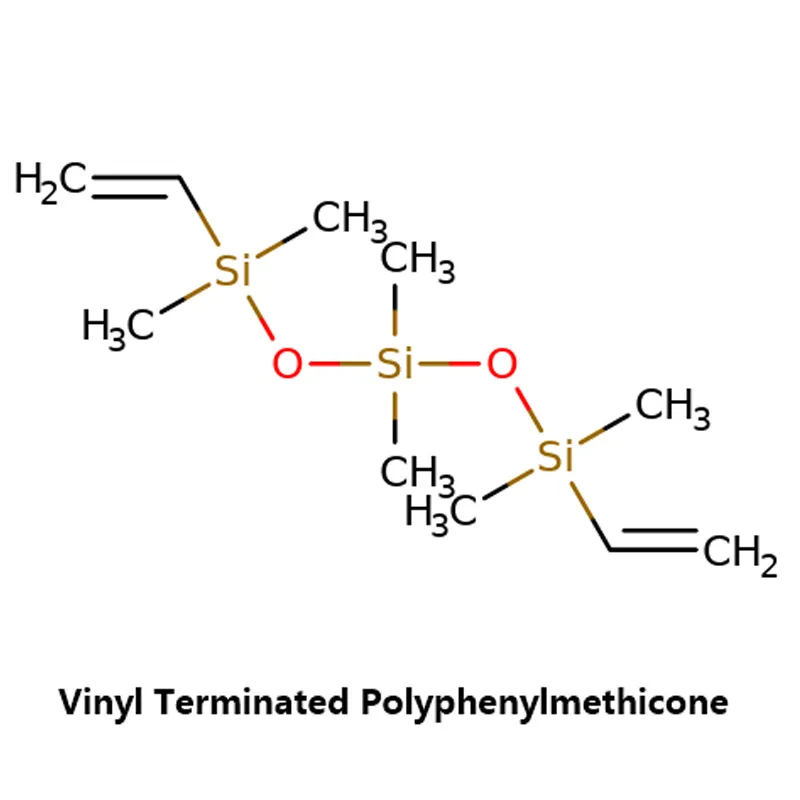
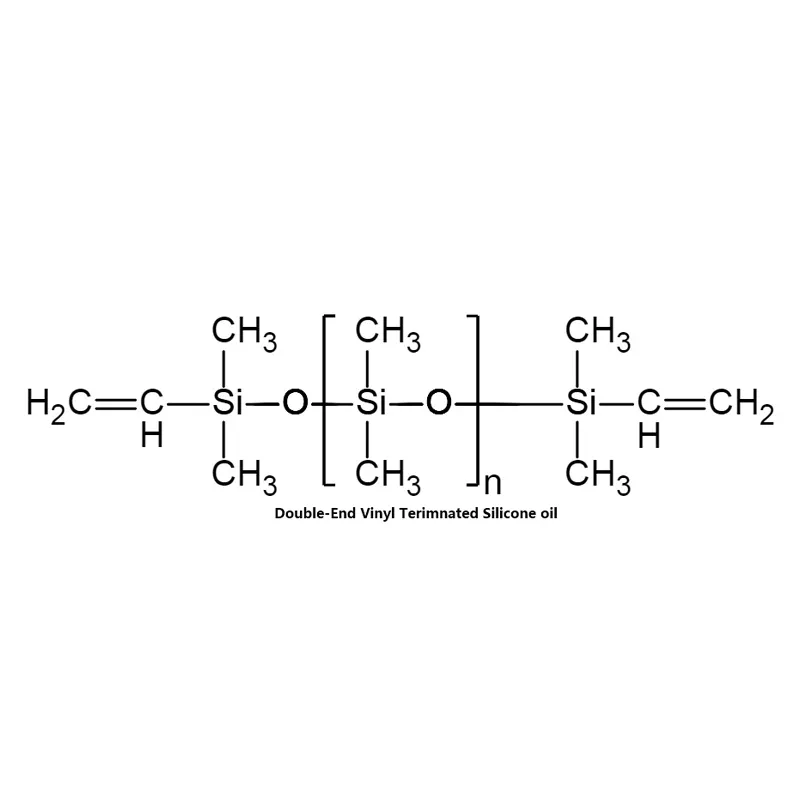
For example, silicone fluids based on polydimethylsiloxane (PDMS) are widely used because of their excellent stability and lubrication properties. Functional silicone materials containing reactive groups may provide improved bonding, compatibility, or modification capabilities.
When selecting silicone materials, manufacturers should consider whether they need a stable non-reactive fluid, a reactive intermediate, or a specialty silicone compound designed for a specific application.
How Do Different Silicone Fluids Affect Industrial Performance?
Silicone fluid selection plays an important role in determining industrial product performance. Different viscosity grades and chemical structures provide different advantages in lubrication, coatings, release applications, thermal management, and specialty formulations.
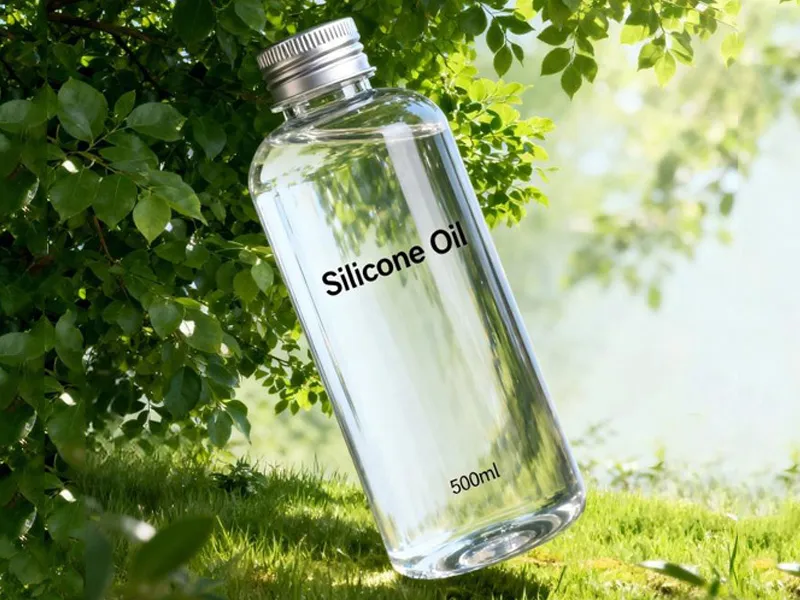
Low-viscosity silicone fluids generally provide excellent spreading ability and easier processing, making them suitable for applications requiring smooth flow and surface coverage. Higher-viscosity silicone fluids may provide stronger film formation, improved lubrication performance, and enhanced durability.
| Silicone Fluid Type | Typical Industrial Applications |
|---|
| Low Viscosity Silicone Fluids | Surface treatment, lubrication, release applications |
| Medium Viscosity Silicone Fluids | Industrial lubricants, coatings, processing aids |
| High Viscosity Silicone Fluids | Specialty formulations requiring stronger film performance |
| Functional Silicone Fluids | Adhesives, coatings, modification systems |
What Are the Main Types of Silicone Raw Materials Used in Industry?
Industrial manufacturers use different categories of silicone materials depending on the required performance characteristics. Understanding the differences between these materials helps engineers make more accurate purchasing decisions.
Silicone Fluids
Silicone fluids are among the most widely used silicone materials in industry. They provide excellent lubrication, thermal stability, electrical insulation, and surface performance.
Common applications include industrial lubricants, coatings, mold release agents, textile treatments, and specialty chemical formulations.
Silicone Elastomer Materials
Silicone elastomers are used when manufacturers require flexibility, sealing performance, and resistance to environmental stress. They are commonly found in automotive seals, electronic protection components, gaskets, and industrial rubber products.
Functional Silicone Materials
Functional silicone materials are designed with specific chemical groups that provide additional performance advantages. These materials are often used in advanced coatings, adhesives, and customized industrial formulations.
How Does Viscosity Influence Silicone Material Selection?
Viscosity is one of the most important technical parameters when selecting silicone materials. It affects processing behavior, application methods, product performance, and manufacturing efficiency.
For example, low-viscosity silicone materials may be preferred for applications requiring rapid spreading and penetration, while higher-viscosity materials may provide better lubrication and protective film performance.
| Viscosity Range | Application Considerations |
|---|
| Low Viscosity | Fast flow, easy mixing, surface treatment applications |
| Medium Viscosity | Balanced processing and performance characteristics |
| High Viscosity | Enhanced film strength and lubrication performance |
How to Choose Silicone Materials for High-Temperature Applications?
High-temperature environments require silicone materials with excellent thermal stability and resistance to oxidation. Silicone materials are widely used in demanding applications because their molecular structure remains stable over a broad temperature range.
Industries such as automotive manufacturing, electronics, aerospace, and industrial equipment often require silicone materials that maintain flexibility and performance after prolonged heat exposure.
When evaluating silicone materials for high-temperature applications, manufacturers should consider:
Continuous operating temperature requirements.
Thermal aging resistance.
Compatibility with surrounding materials.
Long-term mechanical performance.
Processing temperature limitations.
How to Select Functional Silicone Materials for Specific Applications?
Different industrial applications require different silicone properties. While standard silicone fluids provide excellent stability and lubrication performance, functional silicone materials are selected when manufacturers need additional chemical activity, improved compatibility, or enhanced performance characteristics.
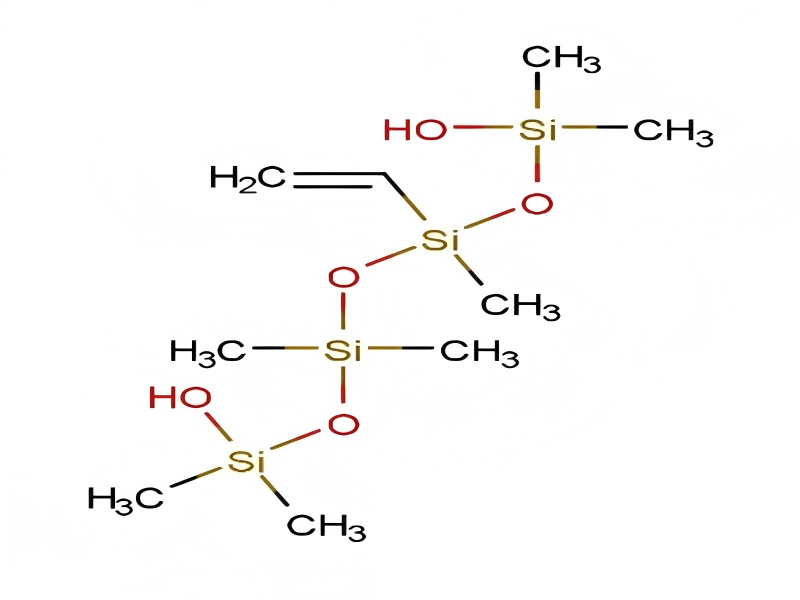
For example, hydroxy silicone oil is selected for applications requiring reactive hydroxyl groups and improved formulation flexibility. Its reactive structure allows it to participate in silicone polymer modification, crosslinking systems, and specialty silicone formulations.
Functional silicone materials are commonly used in:
Silicone sealants and adhesive systems.
Protective industrial coatings.
Surface modification technologies.
Specialty polymer formulations.
Advanced manufacturing processes requiring customized silicone performance.
How Do Silicone Raw Materials Improve Industrial Product Performance?
Silicone raw materials improve industrial product performance by providing properties that are difficult to achieve with conventional materials. Their unique molecular structure enables manufacturers to develop products with improved durability, flexibility, and resistance to environmental stress.
Major performance advantages include:
| Performance Advantage | Industrial Benefit |
|---|
| Thermal Stability | Maintains performance under high-temperature conditions |
| Weather Resistance | Supports long-term outdoor applications |
| Low Surface Energy | Improves release, lubrication, and surface protection |
| Chemical Resistance | Enhances durability in challenging environments |
| Flexibility | Allows products to withstand mechanical stress and movement |
These characteristics make silicone materials valuable across industries where reliability and service life are critical factors.
Choosing Silicone Raw Materials for Different Industrial Applications
Automotive Industry
Automotive manufacturers use silicone materials for applications requiring heat resistance, sealing performance, lubrication, and durability. Silicone fluids and elastomers are commonly used in gaskets, seals, vibration control components, and protective systems.
Because automotive components operate under vibration, temperature fluctuations, and chemical exposure, selecting silicone materials with stable long-term performance is essential.
Electronics and Electrical Manufacturing
Electronic products require materials with excellent insulation properties, moisture resistance, and thermal stability. Silicone materials are used in protective coatings, encapsulation systems, and thermal management applications.
The ability of silicone materials to maintain performance under changing temperatures makes them suitable for advanced electronic manufacturing environments.
Coatings and Surface Protection
Silicone materials are widely used in industrial coatings because they improve surface properties, water resistance, and durability. They help manufacturers develop protective coatings that withstand environmental exposure and demanding operating conditions.
Construction and Sealant Applications
Construction industries rely on silicone materials for sealants and bonding systems requiring flexibility, weather resistance, and long service life.
Silicone-based sealants maintain performance under temperature changes, moisture exposure, and mechanical movement, making them suitable for demanding building applications.
What Common Mistakes Should Manufacturers Avoid When Selecting Silicone Materials?
Selecting silicone materials only based on price or general specifications can lead to poor product performance. Manufacturers should evaluate the complete application requirements before making purchasing decisions.
Common mistakes include:
Choosing viscosity without considering processing conditions.
Ignoring compatibility with other formulation components.
Selecting general-purpose silicone materials for specialized applications.
Failing to evaluate long-term operating conditions.
Overlooking supplier technical support capabilities.
A reliable silicone supplier should provide not only quality products but also technical assistance to help customers optimize material selection and application performance.
Why Choose LANCHEMIE as Your Silicone Raw Material Partner?
LANCHEMIE specializes in silicone-based raw materials and provides solutions for industrial customers worldwide. With professional knowledge of silicone chemistry and application requirements, LANCHEMIE supports manufacturers in selecting suitable materials for different production environments.
The company focuses on product consistency, technical communication, and customer-oriented service. By understanding each customer's application requirements, LANCHEMIE helps optimize silicone material selection and improve manufacturing efficiency.
LANCHEMIE silicone solutions are used across multiple industries, including coatings, electronics, automotive components, agriculture, chemical processing, and specialty manufacturing. Through reliable supply capabilities and application expertise, LANCHEMIE aims to become a trusted partner for global industrial customers.
Future Trends in Silicone Raw Materials for Industrial Applications
The demand for advanced silicone materials continues to grow as industries pursue higher performance, improved efficiency, and longer product lifecycles.
Several trends are shaping the future development of silicone raw materials:
Increasing demand for high-performance materials:Industries require materials that maintain performance under extreme conditions.
Growth of customized formulations:Manufacturers increasingly need silicone solutions designed for specific applications.
Expansion of electronic and automotive industries:Advanced technologies require reliable thermal-resistant and protective materials.
Improved manufacturing efficiency:Companies seek materials that reduce processing challenges and improve consistency.
Long-term durability requirements:Products are expected to provide longer service life with reduced maintenance.
Frequently Asked Questions About Silicone Raw Materials
1. What factors should be considered when selecting silicone raw materials?
Manufacturers should consider chemical structure, viscosity, thermal resistance, compatibility, processing requirements, and final application conditions when selecting silicone raw materials.
2. What are the most common industrial uses of silicone materials?
Silicone materials are widely used in lubricants, coatings, sealants, electronics, automotive components, agriculture, surface treatments, and specialty chemical applications.
3. How does viscosity affect silicone material performance?
Viscosity affects flow behavior, processing efficiency, lubrication performance, and final product characteristics. Selecting the correct viscosity grade is essential for achieving stable results.
4. Why are silicone materials suitable for high-temperature applications?
Silicone materials contain stable siloxane structures that provide excellent resistance to heat, oxidation, and environmental degradation compared with many traditional materials.
5. What is the difference between standard silicone fluids and functional silicone materials?
Standard silicone fluids mainly provide properties such as lubrication and thermal stability, while functional silicone materials contain specific chemical groups designed for improved bonding, modification, or specialized performance.
6. Why should manufacturers work with professional silicone suppliers?
Professional suppliers provide consistent material quality, technical guidance, and application support, helping manufacturers reduce development risks and improve product reliability.
Conclusion
Choosing the right silicone raw materials is a critical decision for industrial manufacturers seeking stable production performance and high-quality final products. Factors such as chemical structure, viscosity, thermal resistance, compatibility, and application requirements must all be evaluated to achieve the best results.
With extensive experience in silicone materials and industrial applications, LANCHEMIE provides reliable silicone solutions and technical support for global customers. By selecting suitable silicone materials, manufacturers can improve product performance, production efficiency, and long-term reliability.
External References

 English
  日本語
日本語  한국어
한국어  français
  Español
  русский
  português
  العربية
  Polska
  Svenska