LANCHEMIE INDUSTRY CO., LIMITED.

Dimethicone vs. Silicone Oil: Comparison, Differences, and Industrial Uses

Aug 10 , 2026

Table of Content [Hide]

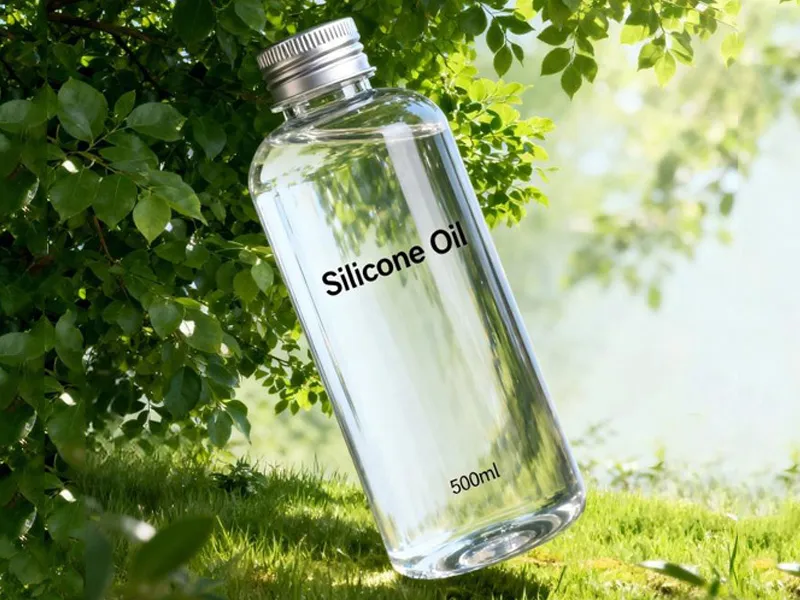
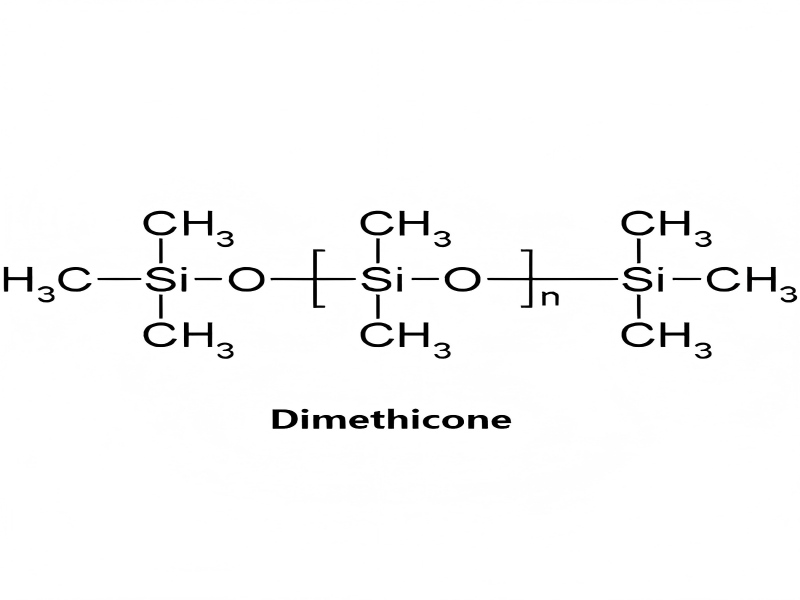
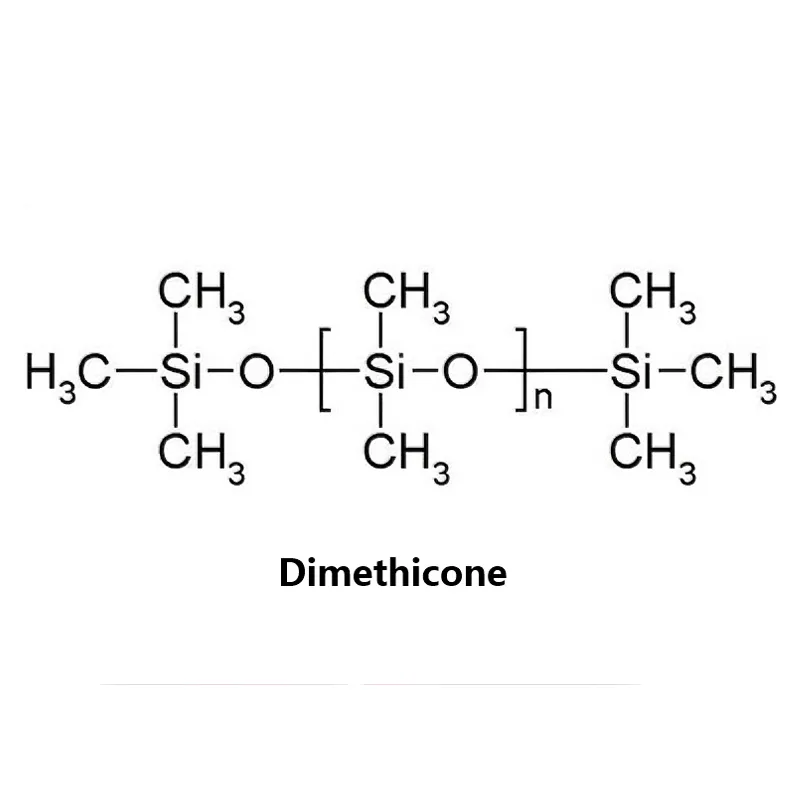
    Dimethicone and silicone oil are two closely related silicone-based materials widely used in modern industrial manufacturing. Although they are often considered interchangeable in some applications, they represent different concepts from a technical perspective. Dimethicone is a specific type of silicone fluid based on polydimethylsiloxane (PDMS), while silicone oil is a broader category covering various liquid polysiloxane materials with different molecular structures and performance characteristics.

    For industrial manufacturers, choosing between dimethicone and silicone oil requires a clear understanding of chemical structure, viscosity, thermal performance, compatibility, and application requirements. The correct silicone material selection can directly influence product durability, processing efficiency, surface performance, and long-term reliability. LANCHEMIE provides professional silicone material solutions, supporting customers worldwide in industries such as coatings, lubricants, electronics, agriculture, construction, personal care, and specialty chemical manufacturing.

    What Is the Difference Between Dimethicone and Silicone Oil?

    The main difference between dimethicone and silicone oil lies in their definition and application scope. Silicone oil is a general term used to describe liquid silicone polymers, while dimethicone refers specifically to a type of polydimethylsiloxane silicone fluid composed mainly of repeating dimethylsiloxane units.

    Silicone oil includes a wide range of silicone fluids with different viscosities and molecular structures. Depending on the chemical composition, silicone oils can provide different properties such as lubrication, water repellency, heat resistance, electrical insulation, defoaming performance, and surface modification capability.

    Dimethicone is one of the most commonly used silicone oils because of its excellent chemical stability, low surface tension, and predictable performance. It is a non-reactive silicone fluid that maintains stable physical properties under temperature fluctuations and demanding industrial conditions.

    In practical manufacturing applications, dimethicone is usually selected when a stable and versatile silicone fluid is required, while other silicone oils may be chosen when manufacturers need additional functionality through specific chemical modifications.

    Dimethicone vs. Silicone Oil: Technical Performance Comparison

    Comparison FactorDimethiconeSilicone Oil
    Chemical CompositionPolydimethylsiloxane (PDMS) silicone fluidVarious polysiloxane structures including modified silicone fluids
    Reactive PerformanceGenerally chemically inert and stableDepends on functional groups and molecular structure
    Temperature ResistanceExcellent high and low temperature stabilityVaries according to silicone type
    Surface CharacteristicsLow surface tension, smooth spreading, water repellencyCan be designed for different surface requirements
    Common ApplicationsLubricants, coatings, release agents, industrial fluidsIndustrial manufacturing, specialty formulations, chemical applications
    Viscosity RangeAvailable from low to high viscosity gradesAvailable in many viscosity and functional varieties

    Why Is Dimethicone Widely Used in Industrial Manufacturing?

    Dimethicone has become one of the most widely used silicone materials because it combines excellent stability with versatile processing characteristics. Its molecular structure provides outstanding resistance to oxidation, temperature variation, moisture, and chemical environments.

    The main advantages of dimethicone include:

    • Excellent thermal stability for demanding industrial environments.

    • Low friction characteristics for lubrication applications.

    • Low surface tension for improved spreading and release performance.

    • Good water repellency for protective applications.

    • Stable viscosity characteristics for consistent processing.

    • Excellent compatibility with many formulation systems.

    For manufacturers producing silicone-based formulations, selecting an appropriate dimethicone grade allows better control over viscosity, lubrication performance, surface properties, and application results.

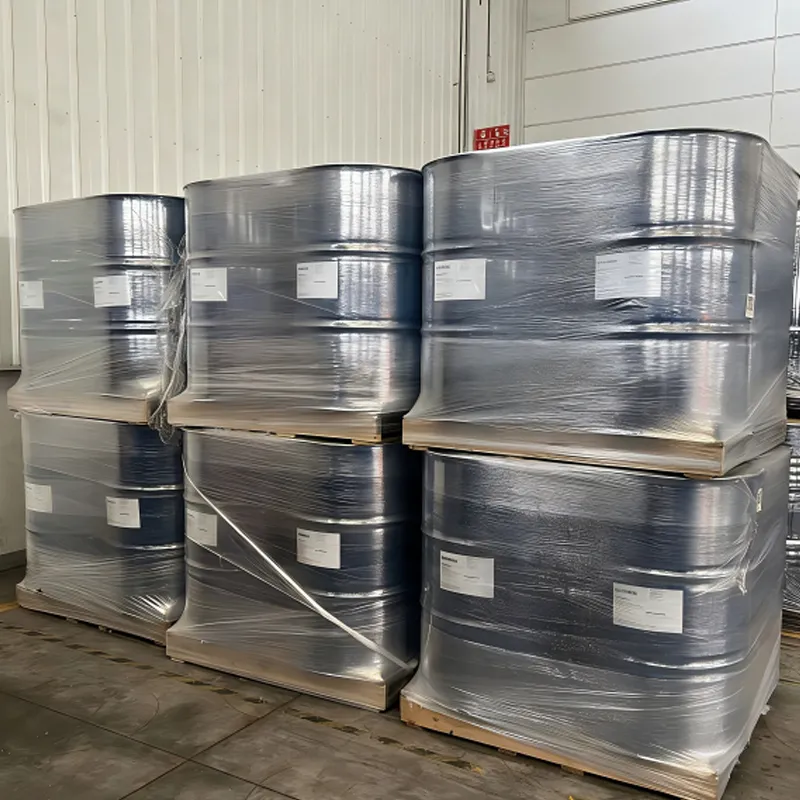
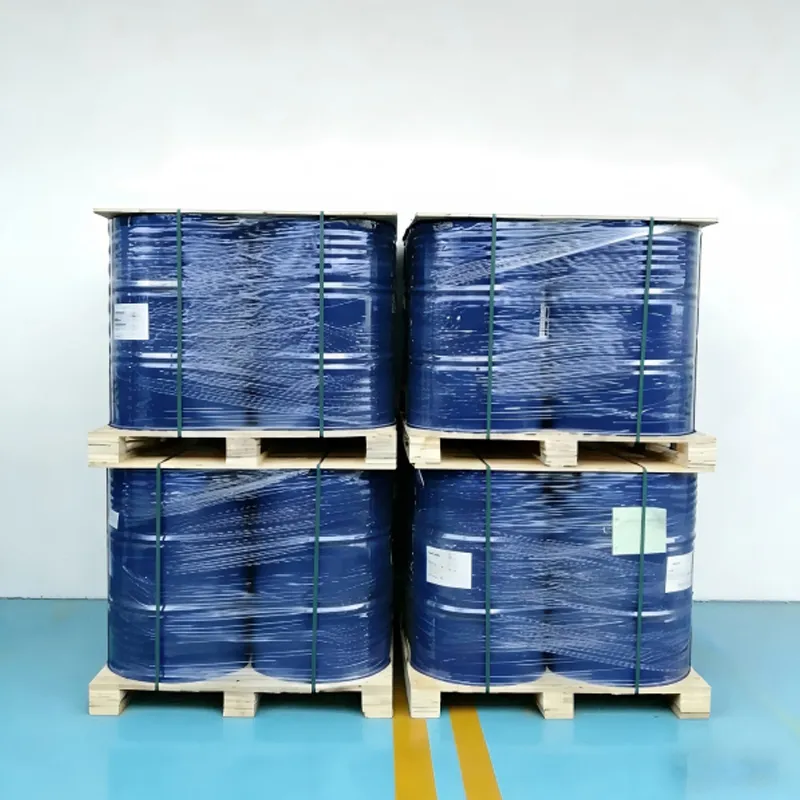
    LANCHEMIE offers Dimethicone LC-201-100, a transparent linear polydimethylsiloxane fluid with a viscosity of 100 cSt. The product provides stable chemical properties, temperature resistance, good compatibility, and applications in industrial lubrication, coatings, rubber processing, and electrical insulation.

    dimethicone

    Industrial Applications of Dimethicone

    Dimethicone in Industrial Lubricants

    One of the most important industrial uses of dimethicone is lubrication. Silicone fluids provide excellent friction reduction performance because of their stable molecular structure and low surface energy.

    Compared with many conventional organic lubricants, dimethicone maintains performance under temperature changes and long-term operating conditions. It is suitable for applications involving mechanical components, plastic parts, rubber processing, and precision equipment.

    Industrial manufacturers often choose dimethicone when they require a lubricant that provides smooth operation, chemical stability, and reduced maintenance requirements.

    Dimethicone as a Release Agent

    Dimethicone is widely used as a release agent in rubber, plastic, and composite material processing. Its low surface energy helps prevent adhesion between materials and molds, improving production efficiency and reducing surface defects.

    In manufacturing processes such as rubber molding and plastic forming, silicone-based release agents help achieve cleaner demolding and improve the appearance quality of finished products.

    Dimethicone in Coatings and Surface Modification

    Dimethicone is also valuable in industrial coating systems because it improves surface smoothness, water resistance, and protective performance.

    When incorporated into coating formulations, dimethicone can improve flow, leveling, and surface characteristics. These advantages make it useful in waterproof coatings, protective finishes, inks, and specialty surface treatments.

    How Does Silicone Oil Perform in Different Industrial Applications?

    Silicone oil covers a broad range of liquid silicone materials designed for different industrial requirements. Depending on molecular structure and viscosity, silicone oils can provide customized solutions for lubrication, thermal management, coatings, agriculture, electronics, and chemical processing.

    Common industrial applications include:

    • Mechanical lubrication systems.

    • Rubber and plastic processing.

    • Surface treatment and protective coatings.

    • Electronic insulation and thermal applications.

    • Agricultural formulation additives.

    • Industrial defoaming systems.

    The flexibility of silicone oil chemistry allows manufacturers to select products according to specific performance targets rather than relying on a single general-purpose material.

    How Should Manufacturers Choose Between Dimethicone and Silicone Oil?

    Choosing between dimethicone and other silicone oils requires evaluating the complete application environment. Important factors include required viscosity, operating temperature, compatibility, processing method, and final product performance.

    Selection FactorImpact on Manufacturing
    ViscosityInfluences flow behavior, lubrication efficiency, and processing performance
    Molecular StructureDetermines stability, compatibility, and application characteristics
    Temperature RangeDefines suitability for high-temperature or low-temperature environments
    Surface RequirementsAffects spreading, release, water repellency, and coating performance

    How Does Viscosity Affect Silicone Oil Performance?

    Viscosity is one of the most important factors when selecting silicone materials for industrial applications. Different viscosity grades influence flow behavior, lubrication efficiency, processing performance, and final product characteristics.

    Low-viscosity silicone fluids generally provide better spreading ability and easier processing, while higher-viscosity grades may offer improved lubrication performance, film formation, and durability in specific applications.

    For viscosity-sensitive industrial applications, products such as silicone oil 100 cst are commonly selected when manufacturers require a balanced combination of flow performance, lubrication properties, and processing stability.

    LANCHEMIE silicone fluid products are developed with consistent viscosity control to help manufacturers achieve predictable performance during production. Proper viscosity selection can improve manufacturing efficiency and ensure stable product quality.

    Dimethicone and Silicone Oil Applications in Advanced Manufacturing

    The continuous development of advanced manufacturing technologies has increased demand for silicone materials with reliable performance, long service life, and excellent environmental resistance. Both dimethicone and silicone oil play important roles in improving industrial product performance.

    Automotive Manufacturing Applications

    Automotive manufacturers use silicone materials in applications requiring heat resistance, lubrication, sealing performance, and durability. Dimethicone and other silicone fluids can support the production of components exposed to vibration, temperature changes, and mechanical stress.

    Silicone-based lubricants and protective materials help improve component reliability and reduce maintenance requirements in automotive systems.

    Electronics and Electrical Applications

    Electronic products require materials that maintain performance under changing temperatures and environmental conditions. Silicone fluids provide excellent electrical insulation, thermal stability, and moisture resistance.

    Dimethicone-based silicone systems are used in protective coatings, insulation-related applications, and specialty electronic manufacturing processes where long-term reliability is required.

    Industrial Coatings and Surface Protection

    Silicone materials are widely used in coating technologies because they provide excellent surface properties, weather resistance, and durability.

    By incorporating suitable silicone fluids into coating formulations, manufacturers can improve water repellency, surface smoothness, and resistance to environmental exposure.

    Why Is Material Selection Important for Silicone-Based Products?

    Selecting the right silicone material directly affects manufacturing efficiency and product performance. Although many silicone materials share similar characteristics, differences in molecular structure, viscosity, and functionality can significantly influence final results.

    Manufacturers should consider:

    • The required operating temperature range.

    • Compatibility with other formulation components.

    • Required viscosity and processing behavior.

    • Expected product lifespan and environmental exposure.

    • Final performance requirements such as lubrication, protection, or surface modification.

    A professional silicone supplier can help customers evaluate these factors and select suitable materials for specific applications. LANCHEMIE combines silicone material knowledge with practical industrial experience to support customers in developing reliable solutions.

    Why Choose LANCHEMIE for Silicone Material Solutions?

    LANCHEMIE specializes in silicone-based functional materials and provides professional solutions for global industrial customers. With experience in silicone chemistry and manufacturing requirements, LANCHEMIE supports customers across different industries including coatings, lubricants, electronics, agriculture, and specialty chemical applications.

    The company focuses on consistent product quality, technical communication, and application-oriented support. By understanding customer requirements and production challenges, LANCHEMIE helps manufacturers select suitable silicone materials that improve processing efficiency and product performance.

    From dimethicone and silicone fluids to other functional silicone materials, LANCHEMIE provides reliable raw material solutions designed for modern industrial manufacturing requirements.

    Future Development Trends of Dimethicone and Silicone Oil

    The demand for silicone-based materials continues to grow as industries move toward higher-performance and longer-lasting products. Dimethicone and silicone oil will continue playing important roles in advanced manufacturing due to their excellent stability, flexibility, and adaptability.

    Several trends are influencing future silicone material development:

    • Higher-performance industrial materials:Manufacturers require materials with improved durability, temperature resistance, and reliability.

    • Growth of electronics manufacturing:Increasing electronic device complexity requires advanced insulation and protection materials.

    • Customized silicone formulations:Industries increasingly require silicone materials designed for specific application conditions.

    • Longer service life requirements:Manufacturers seek materials that reduce maintenance frequency and improve product reliability.

    • Advanced surface technologies:Silicone materials continue expanding into coatings, treatments, and specialty applications.

    As industrial applications become more demanding, silicone materials with consistent quality and predictable performance will remain essential components in modern manufacturing.

    Frequently Asked Questions 

    1. Is dimethicone the same as silicone oil?


    No. Dimethicone is a specific type of silicone oil based on polydimethylsiloxane chemistry. Silicone oil is a broader category that includes different types of silicone fluids with various molecular structures and properties.

    2. What are the main industrial uses of dimethicone?

    Dimethicone is widely used in industrial lubricants, release agents, coatings, surface treatments, rubber processing, and specialty formulations requiring thermal stability and low surface energy.

    3. How do manufacturers choose the right silicone oil viscosity?

    Manufacturers select silicone oil viscosity according to application requirements such as flow behavior, lubrication performance, coating characteristics, processing conditions, and final product properties.

    4. Why is silicone oil resistant to high temperatures?

    Silicone oil has a stable siloxane backbone that provides excellent resistance to thermal degradation, oxidation, and environmental stress compared with many organic fluids.

    5. Can dimethicone be used in industrial coatings?

    Yes. Dimethicone can improve coating properties such as surface smoothness, water resistance, spreading ability, and durability, making it suitable for various industrial coating applications.

    6. Why should companies work with professional silicone suppliers?

    Professional silicone suppliers provide consistent material quality, technical guidance, and application support. This helps manufacturers reduce formulation risks and achieve more stable production results.

    Conclusion

    Dimethicone and silicone oil are both important silicone materials used in modern industrial manufacturing, but their differences in chemical structure and performance characteristics determine their most suitable applications. Dimethicone provides stable and reliable performance as a PDMS-based silicone fluid, while the wider silicone oil category offers additional flexibility for specialized industrial requirements.

    For manufacturers seeking reliable silicone material solutions, understanding the relationship between dimethicone and silicone oil is essential for improving product performance and production efficiency. LANCHEMIE continues to provide high-quality silicone materials and technical support to help customers develop advanced solutions across multiple industries.

    External References

    References
    Products
    We use cookies to offer you a better browsing experience, analyze site traffic and personalize content. Part of the tracking is necessary to ensure SEO effectiveness,
    By using this site, you agree to our use of cookies. Visit our cookie policy to learn more.

    Reject Accept