LANCHEMIE INDUSTRY CO., LIMITED.

Hydroxy Silicone Oil: Versatile Solutions for Advanced Industrial Manufacturing

Aug 03 , 2026

Table of Content [Hide]

    Hydroxy silicone oil has become an essential functional material for advanced industrial manufacturing due to its reactive hydroxyl groups, excellent thermal stability, low surface energy, and outstanding compatibility with various silicone-based systems. Its unique chemical structure allows manufacturers to develop high-performance elastomers, sealants, coatings, adhesives, and specialty silicone products with improved durability and reliability.

    As industries continue to demand materials with higher flexibility, temperature resistance, and long-term stability, selecting suitable silicone intermediates has become increasingly important. LANCHEMIE provides professional silicone material solutions, supporting global customers with reliable products and application-focused technical services for different industrial requirements.

    What Is Hydroxy Silicone Oil and Why Is It Important in Industrial Manufacturing?

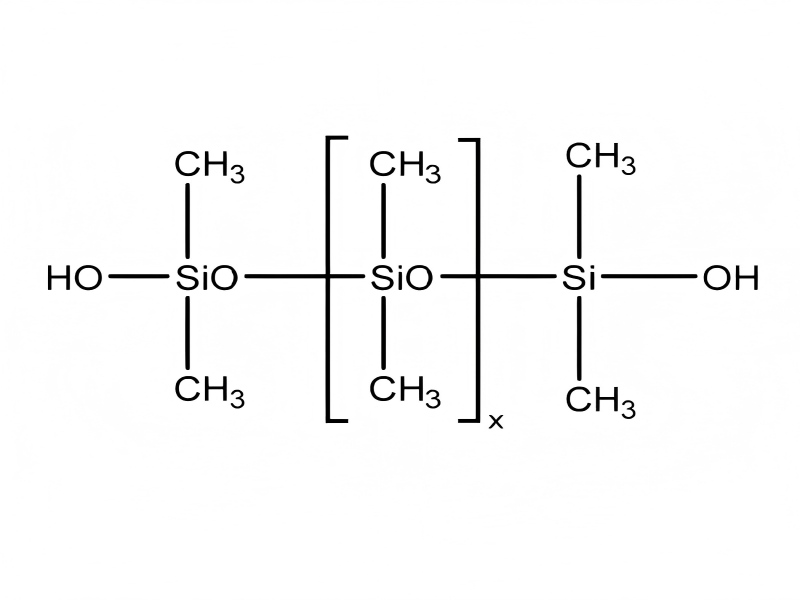
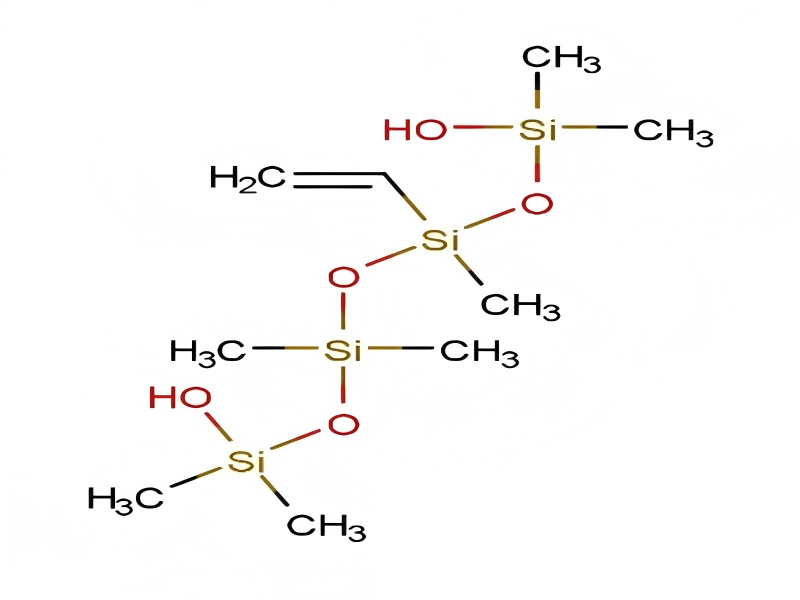
    Hydroxy silicone oil is a hydroxyl-terminated polysiloxane polymer containing reactive silanol groups at the ends of its molecular chains. These reactive groups allow the polymer to participate in condensation reactions and crosslinking processes, making it an important raw material for silicone elastomer production and other advanced silicone formulations.

    Unlike conventional silicone fluids that mainly provide lubrication, release, or surface modification functions, reactive silicone materials can chemically integrate into polymer networks. This characteristic enables manufacturers to create materials with improved elasticity, adhesion, mechanical strength, and environmental resistance.

    As a functional hydroxy silicone material, this type of silicone polymer provides manufacturers with greater formulation flexibility. By adjusting molecular weight, viscosity, and hydroxyl content, engineers can optimize curing behavior and final product performance for different industrial applications.

    Key Properties of Hydroxy Silicone Oil for Advanced Applications

    The performance advantages of hydroxy silicone oil are mainly derived from the stable siloxane backbone and reactive terminal hydroxyl groups. These properties make it suitable for demanding manufacturing environments where traditional organic polymers may not provide sufficient durability.

    PropertyIndustrial Benefit
    Reactive hydroxyl groupsEnable crosslinking and chemical modification in silicone formulations
    Excellent thermal stabilityMaintains performance under high-temperature processing and operation
    Low surface tensionImproves spreading, wetting, and surface characteristics
    Flexible siloxane structureProvides elasticity and low-temperature flexibility
    Weather resistanceSupports long-term outdoor applications
    Chemical stabilityImproves resistance against environmental degradation

    These advantages make hydroxy silicone oil widely applicable in industries requiring reliable performance, including automotive components, electronic protection materials, industrial coatings, construction sealants, and specialty manufacturing systems.

    How Does Hydroxy Silicone Oil Improve Silicone Elastomer Manufacturing?

    One of the most important applications of hydroxy silicone oil is silicone elastomer manufacturing. In RTV silicone rubber systems, it functions as a reactive polymer component that participates in curing reactions and contributes to the formation of a stable three-dimensional silicone network.

    The final properties of silicone elastomers depend greatly on polymer structure, viscosity, hydroxyl content, and curing conditions. By selecting the appropriate hydroxy silicone oil grade, manufacturers can control important characteristics such as hardness, elongation, tensile strength, flexibility, and aging resistance.

    For example, silicone sealants used in construction require excellent movement capability and weather resistance, while molded silicone components for industrial equipment require balanced mechanical strength and dimensional stability. Hydroxy silicone oil allows manufacturers to adjust formulations according to these different requirements.

    During silicone rubber production, hydroxy silicone oil is commonly combined with fillers, catalysts, pigments, and crosslinking agents. The interaction between these components determines the curing efficiency and final performance of the silicone product.

    hydroxy silicone oil

    Industrial Applications of Hydroxy Silicone Oil in Manufacturing

    The versatility of hydroxy silicone oil allows it to support multiple industrial sectors. As manufacturers continue developing products with improved durability and performance, reactive silicone materials have become increasingly valuable.

    Silicone Sealants and Adhesive Systems

    Hydroxy silicone oil is widely used in silicone sealant formulations because it provides flexibility, adhesion, and resistance to environmental stress. In construction, automotive, and industrial assembly applications, sealants must maintain performance despite temperature fluctuations, vibration, moisture, and UV exposure.

    The reactive nature of hydroxy silicone oil helps create durable silicone networks after curing, allowing sealants to maintain elasticity and sealing performance over extended service periods.

    Industrial Coatings and Surface Protection

    In coating applications, hydroxy silicone oil improves surface properties such as smoothness, water resistance, flexibility, and durability. Because silicone materials have naturally low surface energy, they can enhance coating performance in challenging environments.

    Industrial users often select silicone-modified coatings for applications requiring resistance against heat, chemicals, weathering, and mechanical stress. Hydroxy silicone oil provides a reliable foundation for developing these advanced coating systems.

    Electronic and Electrical Materials

    Electronic devices require materials with excellent insulation properties, moisture resistance, and thermal stability. Silicone-based materials containing hydroxy silicone oil are commonly used in protective coatings, encapsulation materials, and bonding systems for electronic components.

    The ability of silicone materials to maintain flexibility and stability under temperature changes makes them suitable for applications where long-term reliability is critical.

    Hydroxy Silicone Oil Technical Parameters Manufacturers Should Consider

    Selecting the right hydroxy silicone oil requires evaluating several technical parameters. Different applications require different balances between processing performance and final material properties.

    ParameterImpact on Application
    ViscosityDetermines processing behavior, mixing efficiency, and material flow characteristics
    Hydroxyl contentControls reaction activity and crosslinking performance
    Molecular weightAffects flexibility, strength, and polymer chain structure
    PurityEnsures stable production quality and formulation consistency
    CompatibilityInfluences integration with additives and other polymers

    Manufacturers should evaluate the complete application environment before selecting a silicone material. Factors including curing method, operating temperature, mechanical stress, and required service life all influence the optimal product choice.

    How to Select the Right Hydroxy Silicone Oil for Different Applications?

    Selecting the appropriate hydroxy silicone oil grade is a critical step for manufacturers because different industrial applications require different levels of reactivity, flexibility, and processing performance. A suitable material choice can improve production efficiency, reduce formulation challenges, and enhance final product reliability.

    When evaluating hydroxy silicone oil, manufacturers should consider several key factors, including viscosity range, hydroxyl content, molecular structure, compatibility with additives, curing mechanism, and operating conditions.

    For example, silicone sealant manufacturers may prioritize polymer flexibility and curing stability, while coating producers may focus on surface performance and weather resistance. Electronic material manufacturers may require excellent insulation properties and long-term thermal stability.

    Application AreaImportant Selection Factors
    Silicone sealantsElasticity, curing performance, weather resistance
    Silicone rubber productsMechanical strength, flexibility, crosslinking efficiency
    Industrial coatingsSurface performance, adhesion, durability
    Electronic materialsThermal stability, insulation, reliability

    Hydroxy Silicone Oil Compared with Other Silicone Fluids

    Silicone materials are available in many different functional forms, and each type is designed for specific industrial purposes. Understanding the differences between silicone materials helps engineers select the most suitable solution for their manufacturing requirements.

    Compared with conventional silicone oils, hydroxy silicone oil provides reactive functionality through hydroxyl groups. This allows it to participate in chemical reactions and become part of a cured silicone structure rather than simply acting as a processing additive.

    For applications where temporary surface modification or rapid evaporation characteristics are required, volatile silicone materials may provide suitable performance. However, for applications requiring permanent integration into silicone networks, reactive silicone materials are generally preferred.

    The correct choice depends on the final product requirements, manufacturing process, and expected service environment. Professional material evaluation helps manufacturers achieve better balance between processing efficiency and long-term performance.

    Optimizing Manufacturing Performance with Hydroxy Silicone Oil

    Successful use of hydroxy silicone oil requires more than selecting the correct raw material. Manufacturers must also optimize formulation design, processing conditions, and quality control procedures.

    Important optimization factors include:

    • Formulation balance: Proper ratios between silicone polymers, fillers, catalysts, and crosslinking agents influence final product performance.

    • Processing control: Mixing temperature, production speed, and storage conditions affect material consistency.

    • Quality monitoring: Regular testing ensures stable viscosity, reaction behavior, and product reliability.

    • Application testing: Performance evaluation under actual working conditions helps confirm material suitability.

    By controlling these factors, manufacturers can maximize the advantages of hydroxy silicone oil and achieve more consistent production results.

    Why Choose LANCHEMIE for Hydroxy Silicone Oil Solutions?


    LANCHEMIE specializes in silicone-based functional materials and provides solutions for industrial customers requiring reliable silicone raw materials. With experience in silicone chemistry and application development, LANCHEMIE supports customers in selecting suitable materials for different manufacturing processes.

    The company focuses on consistent product quality, technical communication, and application-oriented service. From silicone elastomer production to coatings, adhesives, and specialty formulations, LANCHEMIE works with customers to understand specific requirements and provide appropriate material solutions.

    For global manufacturers, stable supply and technical support are essential factors when selecting a silicone material partner. LANCHEMIE combines manufacturing experience with industry knowledge to help customers improve product performance and production efficiency.

    Future Trends of Hydroxy Silicone Oil in Advanced Industrial Manufacturing

    The demand for high-performance silicone materials continues to increase as industries move toward more durable, efficient, and reliable products. Hydroxy silicone oil is expected to remain an important material in advanced manufacturing because of its flexibility and chemical adaptability.

    Several industry trends are contributing to the growing importance of functional silicone materials:

    • Increasing demand for lightweight and durable materials in automotive manufacturing.

    • Growing adoption of advanced electronic devices requiring reliable protective materials.

    • Expansion of high-performance construction sealants and industrial adhesives.

    • Development of customized silicone formulations for specialized applications.

    • Greater focus on long-life materials that reduce maintenance requirements.

    As manufacturing technologies continue evolving, companies will increasingly require silicone materials that provide predictable performance, processing flexibility, and long-term reliability.

    Frequently Asked Questions 

    1. What is hydroxy silicone oil mainly used for?


    Hydroxy silicone oil is mainly used as a reactive silicone intermediate in silicone rubber, sealants, adhesives, coatings, and specialty silicone formulations. It helps manufacturers create materials with improved flexibility, durability, and environmental resistance.

    2. What is the difference between hydroxy silicone oil and ordinary silicone oil?

    The main difference is chemical reactivity. Ordinary silicone oils mainly provide physical properties such as lubrication, release performance, and heat resistance, while hydroxy silicone oil contains reactive hydroxyl groups that enable crosslinking and polymer modification.

    3. How does hydroxy silicone oil improve silicone elastomer performance?

    Hydroxy silicone oil participates in curing reactions and helps form stable silicone networks. Depending on formulation design, it can improve elasticity, mechanical strength, flexibility, and aging resistance.

    4. Can hydroxy silicone oil be used in industrial coating applications?

    Yes. Hydroxy silicone oil is widely used in industrial coatings because it can improve surface properties, flexibility, water resistance, and long-term durability under demanding conditions.

    5. What factors should manufacturers consider when purchasing hydroxy silicone oil?

    Manufacturers should evaluate viscosity, hydroxyl content, molecular weight, compatibility, curing requirements, production conditions, and final application environment before selecting a suitable grade.

    6. Why should manufacturers work with an experienced silicone supplier?

    An experienced silicone supplier can provide stable-quality materials, technical guidance, and application support. This helps manufacturers reduce development risks and achieve consistent production performance.

    Conclusion

    Hydroxy silicone oil is a versatile functional material that enables manufacturers to develop advanced industrial products with improved durability, flexibility, and reliability. Its reactive chemistry, thermal stability, and compatibility with silicone systems make it an essential component in elastomers, sealants, coatings, adhesives, and specialty manufacturing applications.

    As industries continue to demand higher-performance materials, selecting a reliable silicone material partner becomes increasingly important. LANCHEMIE remains committed to providing quality silicone solutions and technical support to help global manufacturers improve product performance and manufacturing efficiency.

    External References

    References
    Products
    We use cookies to offer you a better browsing experience, analyze site traffic and personalize content. Part of the tracking is necessary to ensure SEO effectiveness,
    By using this site, you agree to our use of cookies. Visit our cookie policy to learn more.

    Reject Accept